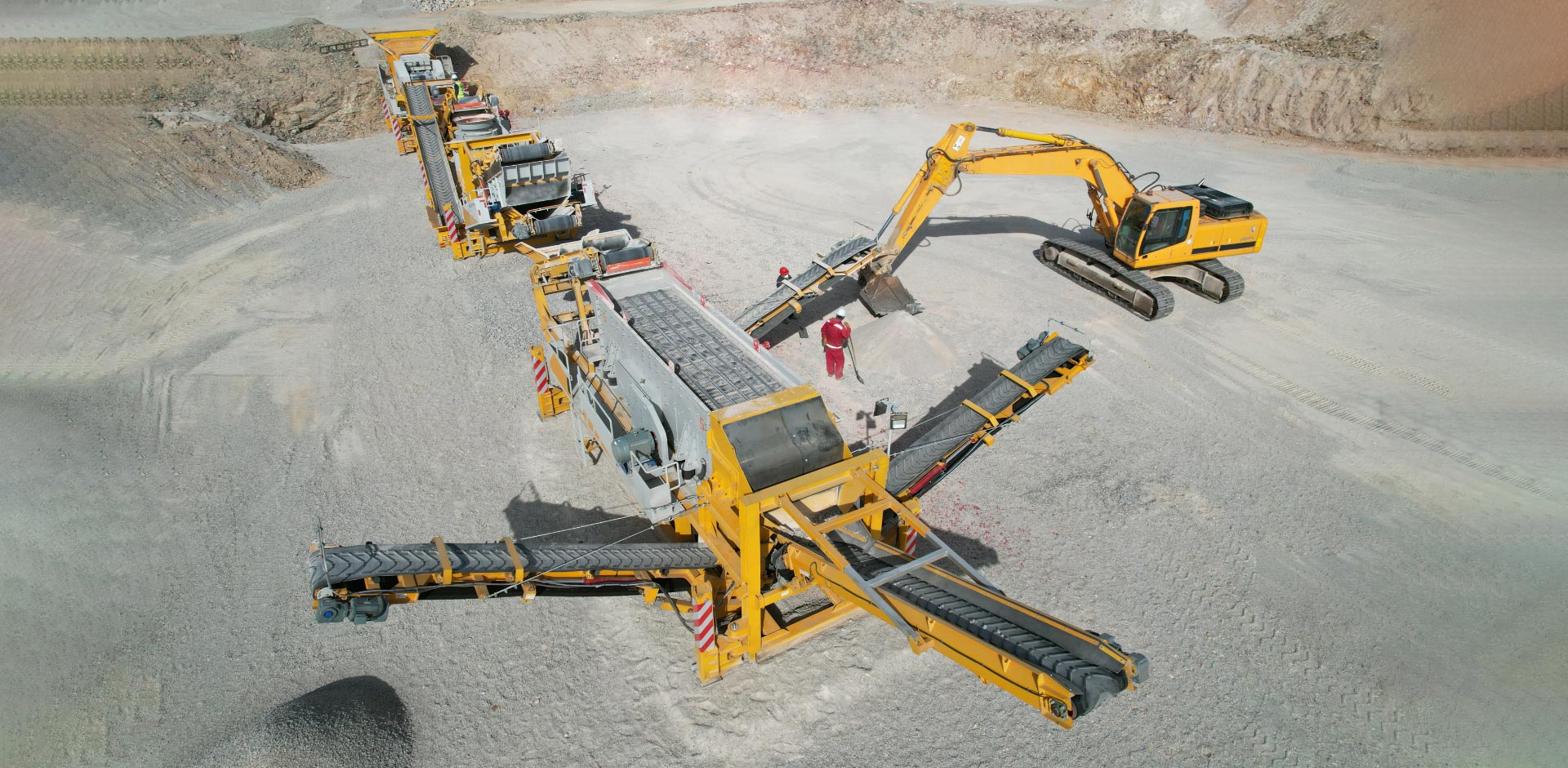
Investing in a sand and aggregate production line has become one of the most promising opportunities in the global construction materials industry. Driven by rapid urbanization, infrastructure expansion, and rising demand for high-quality aggregates, this sector offers strong long-term profitability. However, maximizing returns requires more than just purchasing equipment—it demands strategic planning, efficient configuration, and proper market positioning. Whether you are operating a granite crushing plant or a limestone crusher plant, understanding how to optimize production and cost structure is essential for success.
Understanding the Core Value of Aggregate Production Lines
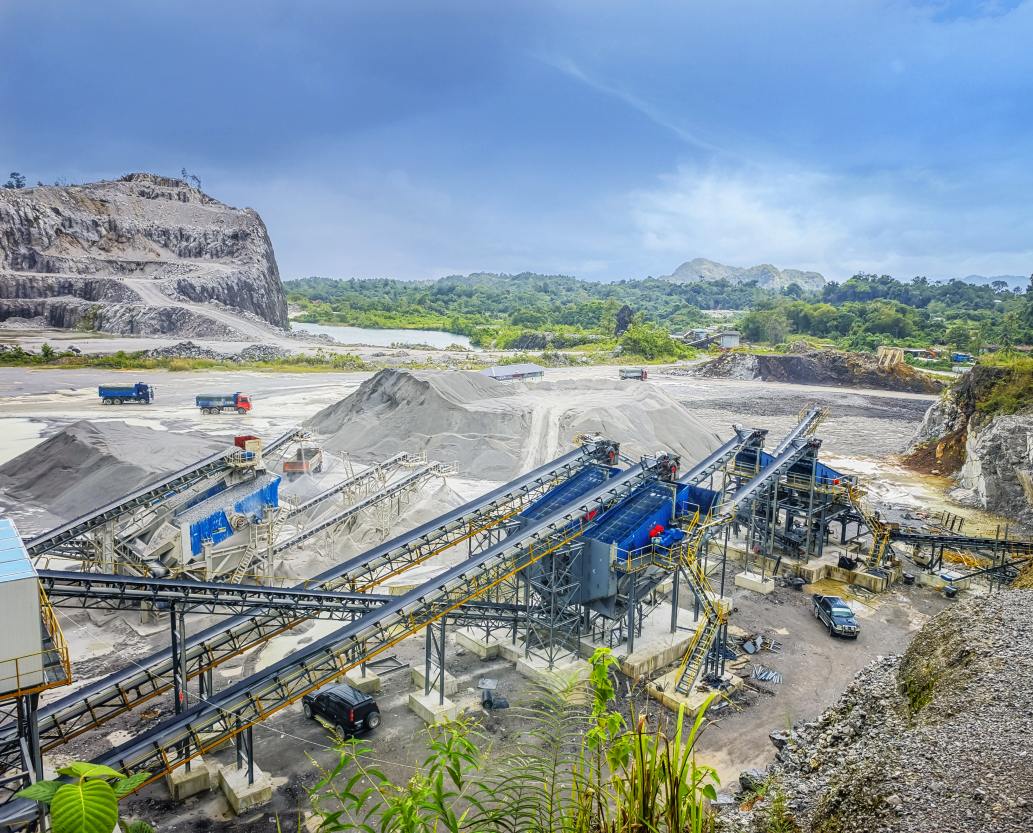
A sand and aggregate production line is a complete system designed to crush, screen, and process raw stones into usable construction materials. These materials are widely used in concrete production, road construction, and infrastructure projects. The efficiency of this system directly impacts profitability, as higher output with lower operational cost leads to better returns on investment.
In modern construction markets, demand for consistent and high-quality aggregates is increasing. A well-designed production line can process various raw materials, including granite, limestone, basalt, and river stones, making it highly versatile for different project requirements.
Choosing the Right Raw Material Strategy
One of the most important factors in maximizing returns is selecting the right raw material source. A granite crushing plant is typically used when high-strength aggregates are required. Granite is hard and durable, making it ideal for road bases, railway ballast, and high-grade concrete production. Although crushing granite consumes more energy, it produces premium aggregates with higher market value.
On the other hand, a limestone crusher plant is widely used for producing aggregates in general construction projects. Limestone is softer and easier to crush, which reduces wear on equipment and lowers operational costs. This makes it highly suitable for businesses focusing on cost efficiency and large-volume production.
Choosing between granite and limestone—or combining both—depends on local demand, transportation costs, and target customers. Many successful operators diversify raw material sources to stabilize revenue and reduce market risks.
Optimizing Equipment Configuration for Higher Efficiency
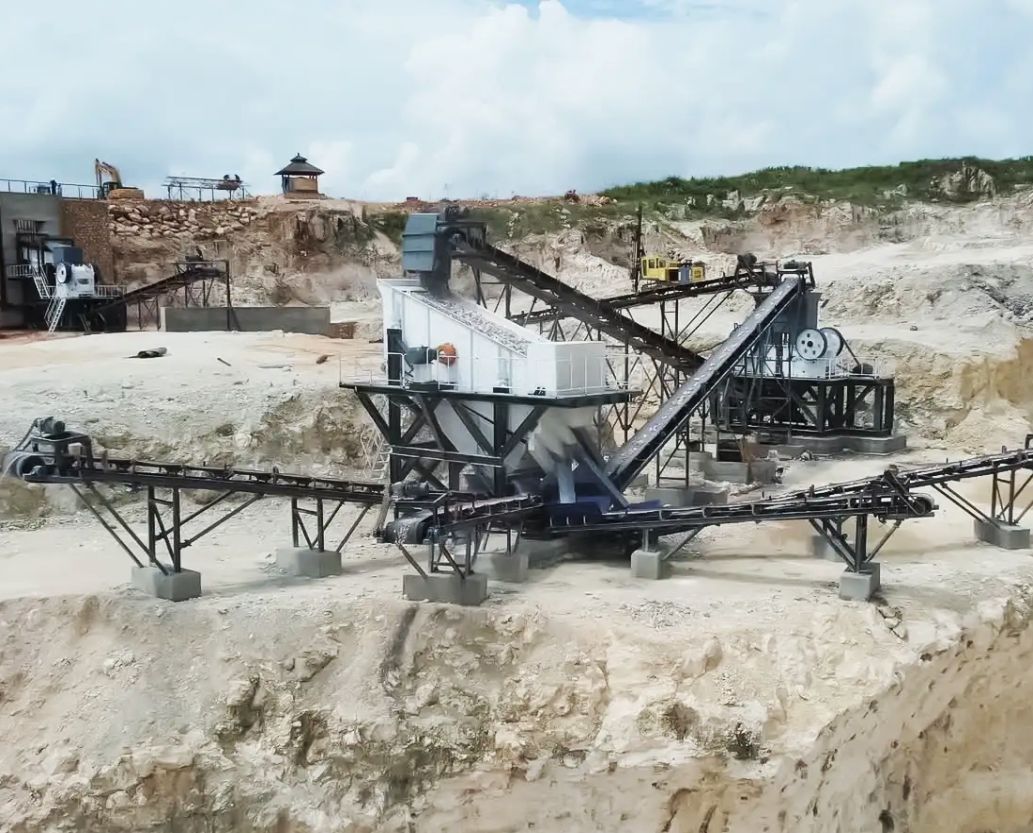
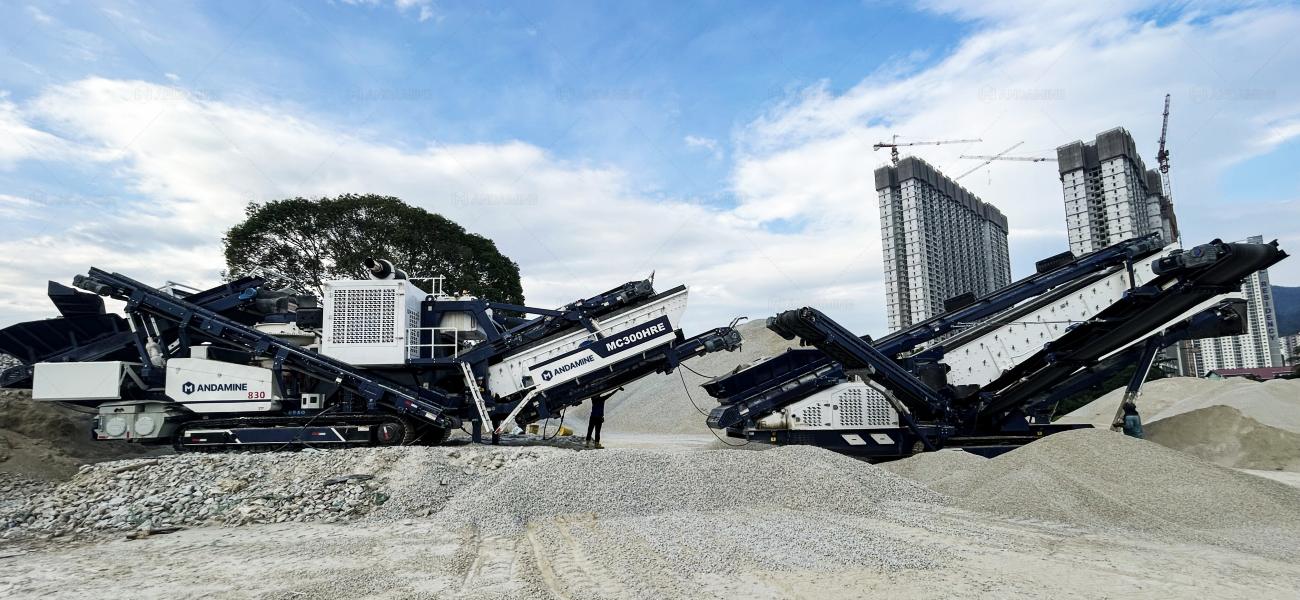
The configuration of a sand and aggregate production line plays a critical role in determining efficiency and profitability. A typical system includes feeders, jaw crushers, cone crushers, impact crushers, vibrating screens, and conveyors. Each component must be carefully selected based on material hardness and production capacity.
For example, a granite processing line may require stronger jaw and cone crushers to handle hard rock, while a limestone system may rely more on impact crushers for efficient shaping. Proper matching of equipment reduces downtime and improves output consistency.
Energy-efficient motors and automated control systems also help reduce operational costs. Modern production lines are increasingly adopting intelligent monitoring systems that optimize performance in real time, ensuring maximum productivity.
Cost Control and Operational Efficiency
To maximize returns, controlling operational costs is just as important as increasing production. Key cost factors include electricity consumption, wear parts replacement, labor, and maintenance.
Regular maintenance of crushers and screening equipment ensures stable operation and reduces unexpected downtime. Using high-quality wear-resistant materials in a granite crushing plant can extend equipment lifespan, while a limestone crusher plant benefits from lower wear costs due to softer material characteristics.
Additionally, optimizing transportation routes for raw materials and finished products can significantly reduce logistics expenses, improving overall profit margins.
Market Positioning and Business Strategy
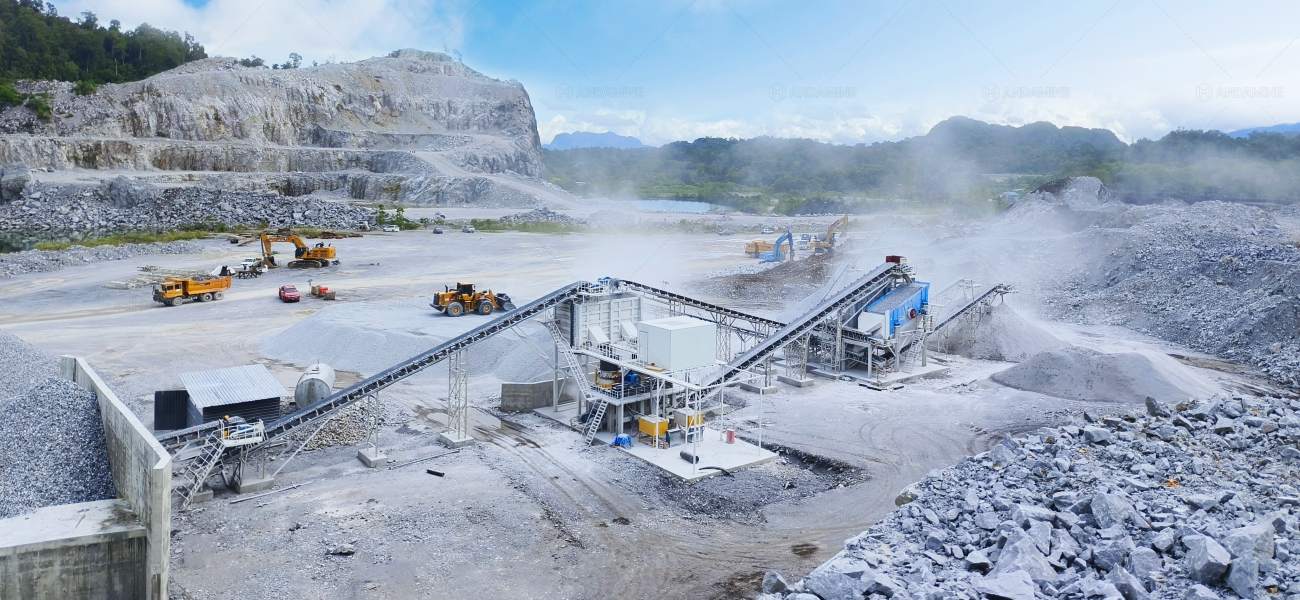
Understanding the market is essential for anyone learning how to start stone crusher plant. Before investing, it is important to analyze local construction demand, competition, and pricing trends. Identifying nearby infrastructure projects such as highways, real estate developments, and industrial zones can help secure stable customers.
Many successful operators focus on long-term contracts with construction companies and concrete producers. This ensures consistent demand and reduces market fluctuations. Establishing partnerships with ready-mix concrete plants and contractors can also create a stable supply chain.
Scaling Production for Long-Term Growth
Once the initial production line is stable, scaling operations becomes the next step toward maximizing returns. This may involve increasing capacity, adding secondary crushing stages, or expanding into new material types.
For example, a business starting with a limestone crusher plant may later invest in a granite crushing plant to diversify product offerings. This flexibility allows operators to serve different market segments and improve revenue stability.
Automation and digital monitoring systems also support scaling by reducing labor dependency and improving operational efficiency across multiple production lines.
Conclusion
Maximizing returns from a sand and aggregate production line investment requires a combination of smart planning, efficient equipment selection, and strong market strategy. Whether operating a granite crushing plant or a limestone crusher plant, success depends on optimizing production efficiency, controlling costs, and understanding market demand.
For investors exploring how to start stone crusher plant, careful evaluation of raw materials, equipment configuration, and logistics planning is essential. With the right strategy, the aggregate production industry offers strong and sustainable profitability in both emerging and developed markets.