In modern construction, efficiency is no longer the only priority—environmental responsibility has become equally important. As urban development expands and sustainability regulations become stricter, compact concrete batching plants are gaining significant attention. These systems are designed to deliver high-quality concrete production while minimizing environmental impact, reducing resource waste, and improving energy efficiency on construction sites.
Unlike large traditional batching plants that require extensive space, heavy infrastructure, and long installation times, compact systems are engineered for smaller footprints and optimized resource consumption. This makes them especially suitable for urban projects, residential developments, and infrastructure upgrades where environmental and spatial constraints must be carefully managed.
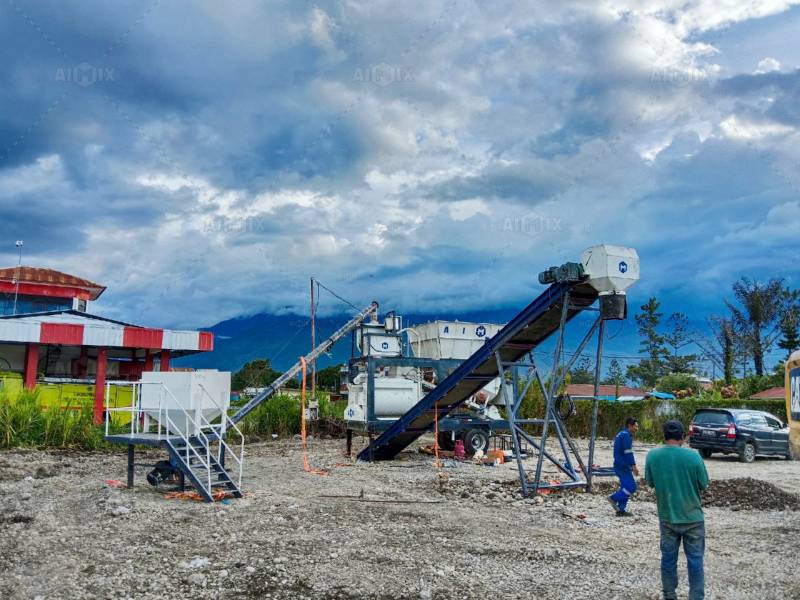
Why Compact Concrete Batching Plants Are Environmentally Friendly
One of the primary environmental advantages of compact concrete batching plants is reduced land usage. Traditional plants often require large areas for aggregate storage, mixing towers, and truck movement. In contrast, compact systems integrate all essential components into a smaller, more efficient structure, reducing land disturbance and preserving natural surroundings.
In addition, compact plants are designed with optimized energy systems. Modern motors, efficient mixers, and automated control systems reduce electricity consumption during production. This directly lowers carbon emissions associated with concrete manufacturing operations.
Dust control systems, enclosed conveyor belts, and improved material handling also reduce air pollution. These features are particularly important in urban environments where air quality regulations are strict and construction activities must minimize environmental disruption.
Material Efficiency and Waste Reduction
Another key environmental benefit of compact batching systems is improved material efficiency. Accurate weighing systems ensure that cement, aggregates, and water are measured precisely for each batch, reducing material waste significantly.
Excess or improperly mixed concrete often leads to disposal problems and environmental pollution. Compact plants use automated control systems to maintain consistent mix quality, minimizing rejected batches and reducing construction waste.
This efficiency also contributes to cost savings, making compact batching systems attractive not only from an environmental perspective but also from an economic standpoint.
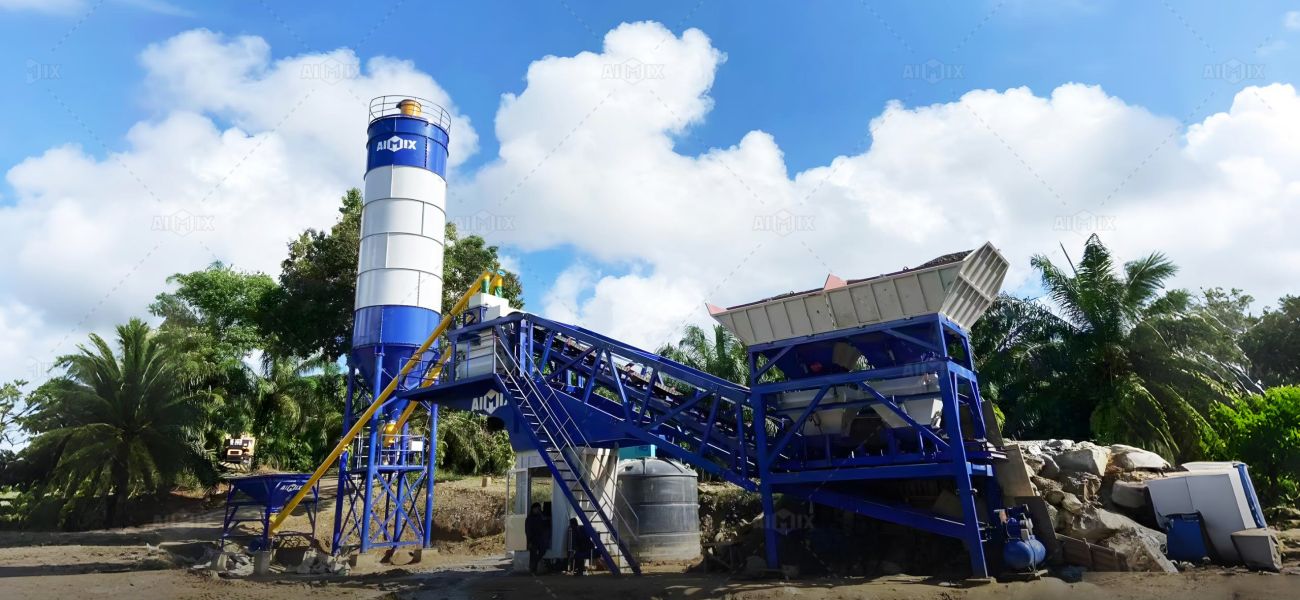
Applications in Urban and Small-Scale Projects
Compact batching plants are widely used in urban construction projects where space is limited and environmental regulations are strict. Residential developments, commercial buildings, and municipal infrastructure projects benefit from their small footprint and flexible installation.
In international markets, demand is growing rapidly for solutions such as the small concrete batching plant for sale UK, especially in regions where construction projects must comply with strict environmental standards and limited site space. These systems allow contractors to produce concrete directly on-site without relying on long-distance transportation, further reducing emissions.
For contractors working in remote or flexible project environments, the small portable concrete batch plant offers additional advantages. Its mobility allows easy relocation between job sites, reducing the need for multiple fixed installations and minimizing land disturbance across different project phases.
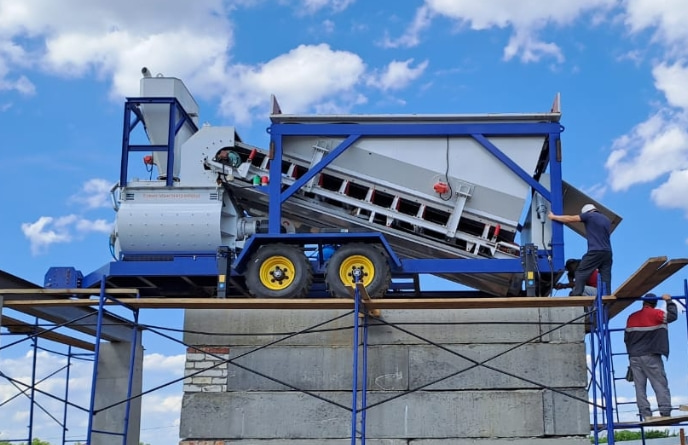
Similarly, the small mobile concrete batch plant is designed for projects requiring frequent movement and fast setup. It is commonly used in road construction, rural infrastructure development, and temporary building projects where environmental impact must be minimized and production efficiency must remain high.
Energy Efficiency and Smart Automation
Modern compact batching plants are equipped with advanced automation systems that improve both environmental and operational performance. These systems control material feeding, mixing time, and discharge processes with high precision, reducing human error and unnecessary resource consumption.
Energy-efficient motors and optimized mixing blades reduce power usage during production cycles. Additionally, smart control systems allow operators to monitor energy consumption and adjust production parameters in real time, ensuring maximum efficiency.
Some systems also include remote monitoring capabilities, allowing centralized control of multiple plants. This reduces labor requirements and improves operational coordination, further enhancing sustainability in construction operations.
Reducing Transportation Emissions
One of the most significant environmental benefits of compact batching plants is the reduction of transportation-related emissions. Traditional concrete supply chains rely heavily on transit mixers transporting ready-mix concrete over long distances, which increases fuel consumption and carbon emissions.
By producing concrete directly at or near the construction site, compact systems significantly reduce transportation distance. This localized production model not only lowers environmental impact but also improves delivery speed and concrete quality consistency.
Long-Term Sustainability in Construction Industry
As global construction trends shift toward sustainability, compact batching plants are becoming an essential part of eco-friendly infrastructure development. Governments and regulatory bodies increasingly encourage the use of low-emission equipment and sustainable production methods.
Compact systems align well with these requirements by offering reduced energy consumption, lower emissions, and efficient use of raw materials. Their adaptability also makes them suitable for green building projects and environmentally certified construction developments.
Conclusion
Compact batching systems represent a major step forward in combining productivity with environmental responsibility. Their reduced footprint, energy efficiency, and advanced automation make them ideal for modern construction demands.
Whether considering a small concrete batching plant for sale UK, a small portable concrete batch plant, or a small mobile concrete batch plant, contractors are increasingly recognizing the long-term value of compact systems. These plants not only improve operational efficiency but also contribute significantly to reducing environmental impact in the construction industry.
As sustainability continues to shape global construction practices, compact concrete batching plants will play a key role in building greener, more efficient, and more responsible infrastructure for the future.