In warehouse and industrial construction projects in Indonesia, concrete demand often grows fast and becomes highly time-sensitive. When your project requires around 900 m³ of concrete per day, selecting the right batching plant capacity directly affects your schedule, cost, and site efficiency.
Among different options, a 90 m³/h concrete batching plant is often considered a strong candidate. But the real question is not only whether it can produce enough concrete, but also whether it can maintain stable performance under real construction conditions.
Let’s break it down from both a technical and practical construction perspective so you can make a confident decision.
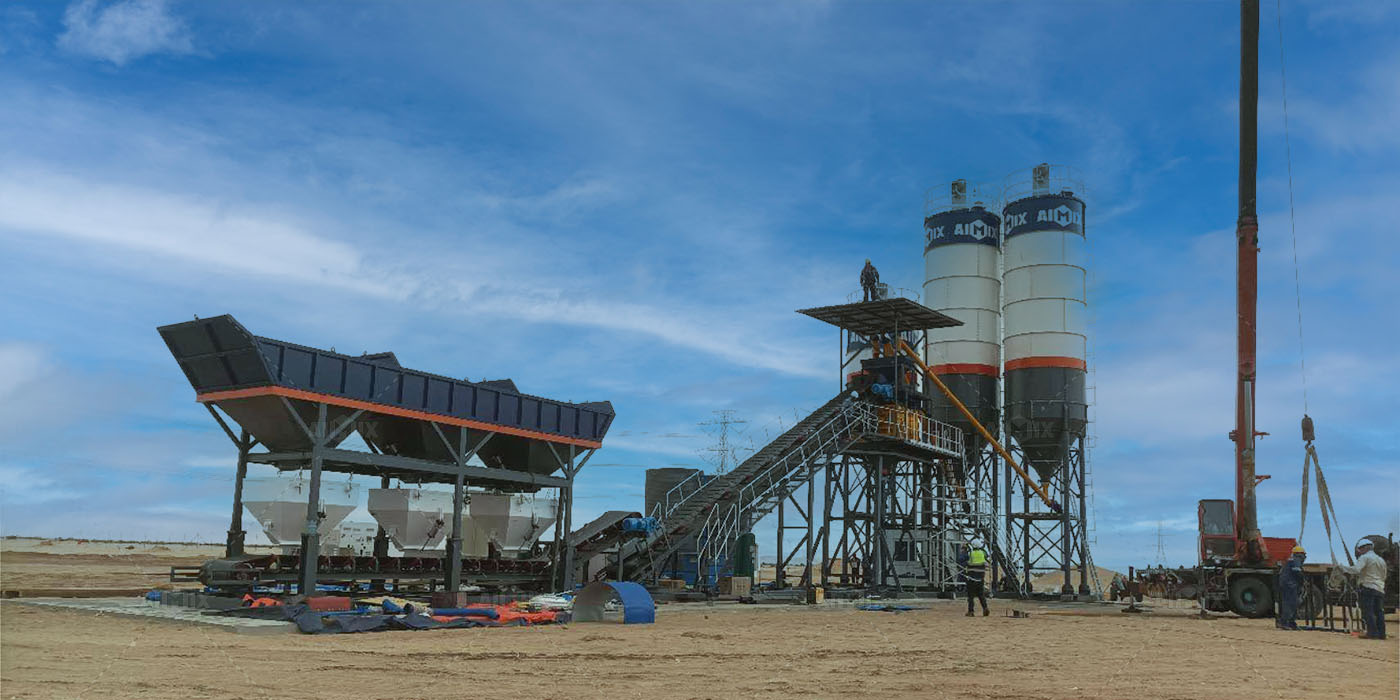
Understanding the Real Meaning of 900 m³/Day Demand
A 900 m³/day requirement may sound straightforward, but in actual warehouse construction, concrete demand is never evenly distributed. Instead, it comes in peaks during slab pouring, foundation works, and structural stages.
This means your real challenge is not daily output alone, but whether your system can handle peak-hour demand smoothly without interruption.
Before choosing equipment, many contractors first study plant types such as a concrete mixing plant to understand production structure and configuration. This helps them match capacity with real site needs more accurately.
So, while 900 m³/day defines project scale, your decision depends more on hourly stability and logistics coordination.
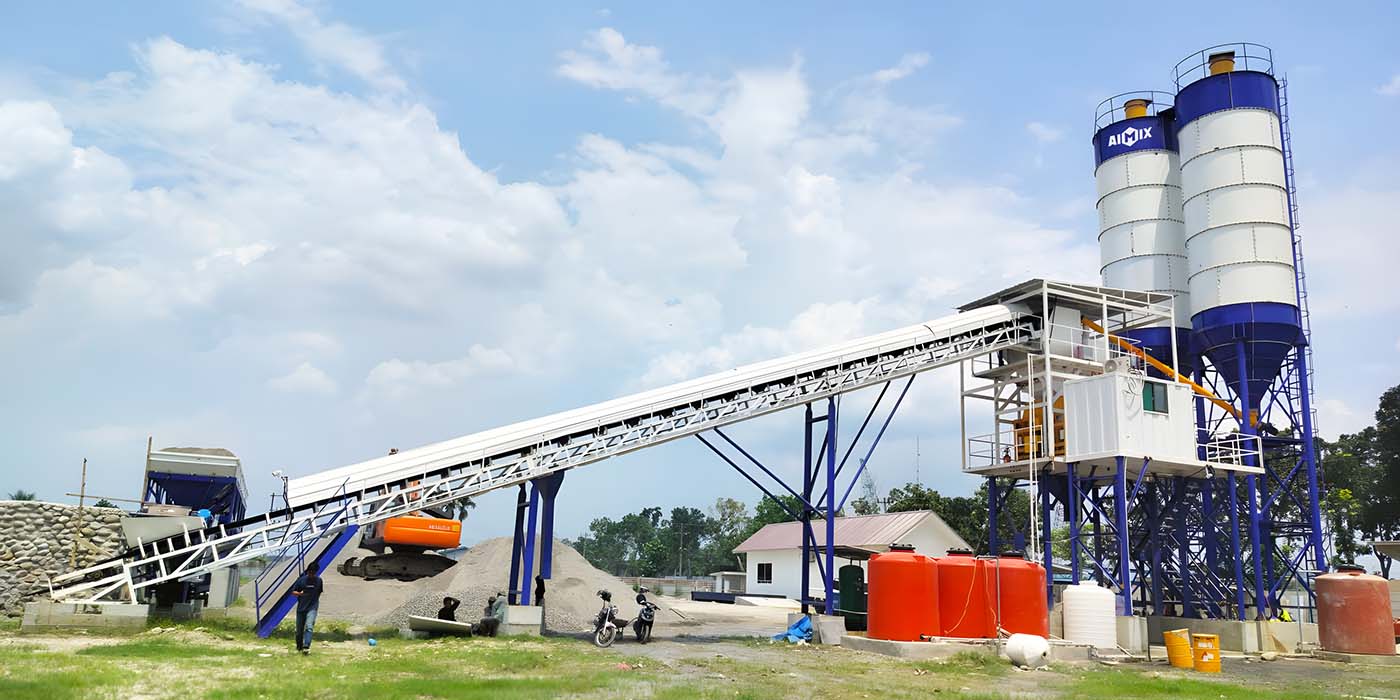
Can a 90 m³/h Plant Actually Reach 900 m³/Day?
A 90 m³/h batching plant is designed for medium-to-large construction projects. In theory, if it runs 10 hours per day at full efficiency, it can produce 900 m³ of concrete.
However, real construction conditions in Indonesia include traffic delays, truck mixer circulation time, and weather interruptions. Therefore, actual output often depends on how well the whole system is managed.
To better understand system performance, many contractors study different configurations such as a batching plant ready mix, which focuses on continuous supply to construction sites.
So in real practice, a 90 m³/h plant can meet 900 m³/day demand, but only if operation is well planned and logistics are efficient.
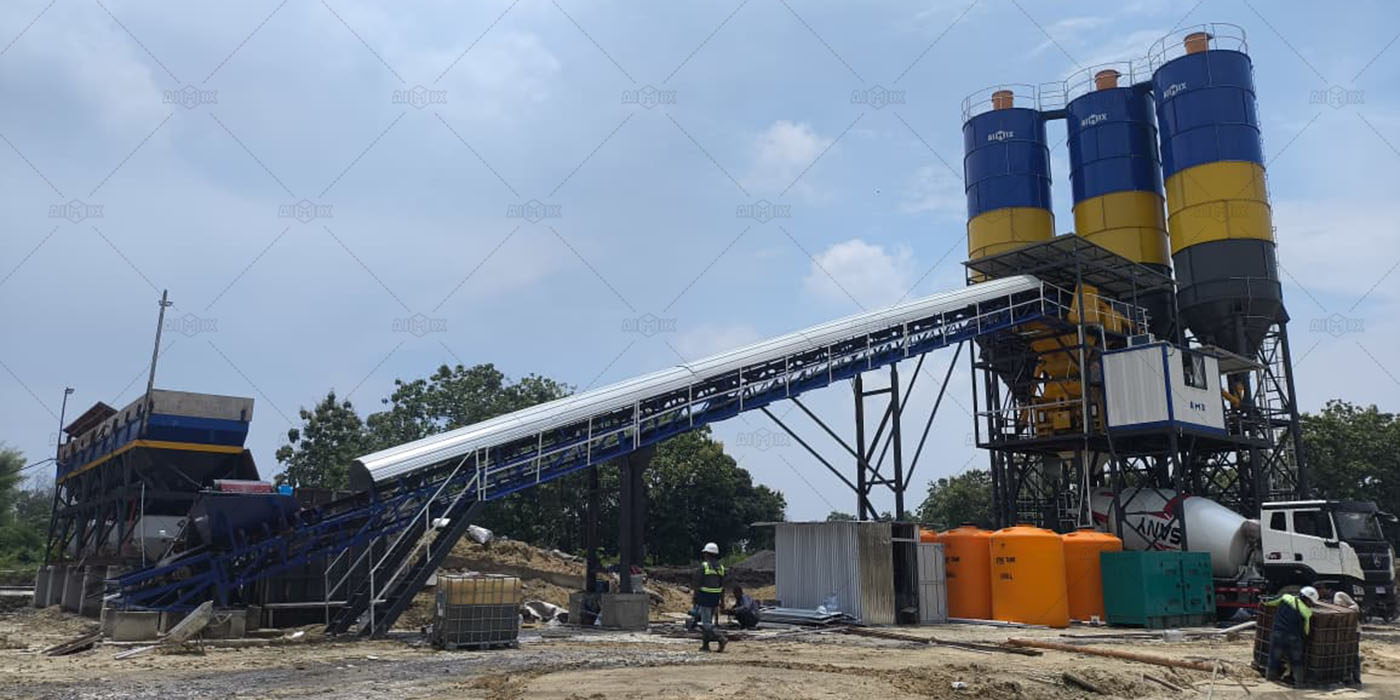
Key Factors That Decide Real Production Efficiency
Even if the theoretical capacity looks sufficient, real output depends on several construction-side factors. These factors often determine whether your project stays on schedule or falls behind.
1. Site Operation Schedule
If your warehouse project uses continuous pouring methods, a 90 m³/h plant performs very well. However, if pouring is irregular, idle time may reduce efficiency.
To improve stability, many contractors adjust batching methods and sometimes consider systems like a wet batching plant, which improves mix consistency and reduces on-site delays.
2. Truck Mixer Coordination
Even the best batching plant cannot perform well without enough mixer trucks. If trucks are insufficient, production will stop and restart frequently, lowering output efficiency.
Therefore, plant selection and logistics planning must always work together.
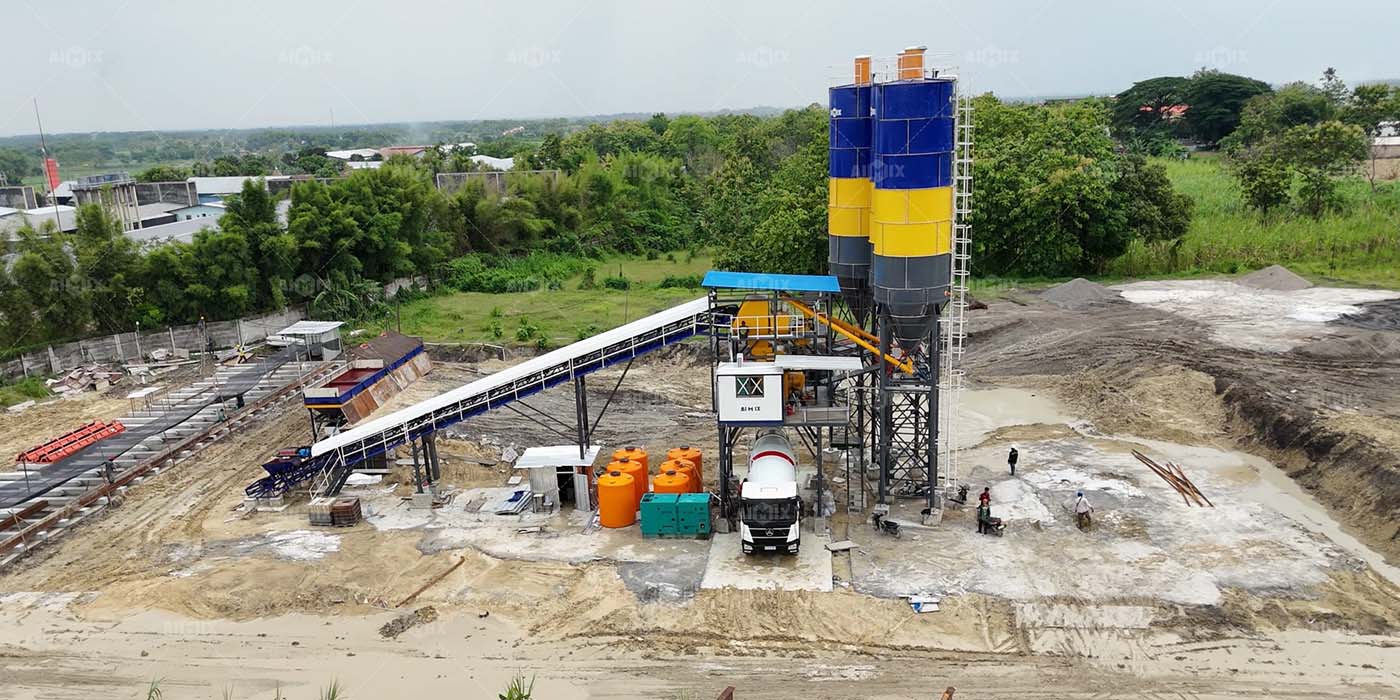
3. Delivery Distance and Traffic
In Indonesia’s industrial zones, traffic conditions and distance to site can significantly affect cycle time. Longer return times reduce hourly efficiency even if the plant capacity is high.
This is why many contractors calculate real cost per cubic meter, not just theoretical production capacity.
For better planning, it is also important to review investment options such as harga batching plant, which helps balance budget and capacity selection.
When a 90 m³/h Plant Is the Right Choice
A 90 m³/h batching plant becomes an ideal solution when your project has medium-to-large scale demand and stable daily production requirements.
For warehouse and industrial projects in Indonesia, it is often chosen because it balances cost, output, and operational flexibility.
In addition, it allows contractors to maintain steady production without overinvesting in oversized equipment.
So, if your project requires consistent 900 m³/day output with controlled scheduling, this capacity is usually a practical fit.
Possible Risks You Should Plan For
Although a 90 m³/h plant is suitable in many cases, there are still risks that contractors should consider before making a final decision.
Peak Demand Pressure
If your project occasionally exceeds 1000 m³/day, a single 90 m³/h plant may struggle during peak hours.
Maintenance Downtime
Every plant requires maintenance. Without backup planning, even short downtime can affect daily output.
Expansion Limitations
If your warehouse project expands in future phases, you may need additional capacity or a second plant to support higher demand.
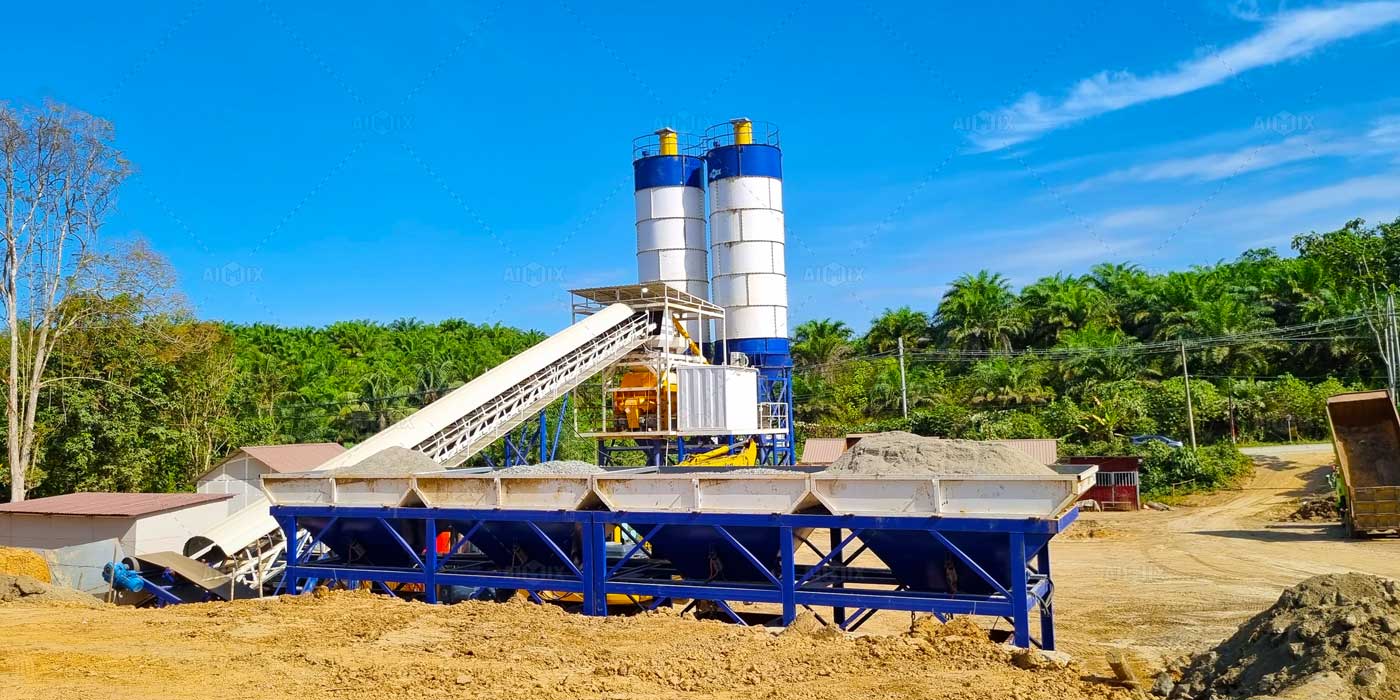
Final Recommendation for Indonesian Warehouse Projects
For most 900 m³/day warehouse industrial projects in Indonesia, a 90 m³/h batching plant is a reasonable and efficient choice. It provides enough capacity to meet demand while keeping investment under control.
However, success depends heavily on operational management, including truck coordination, pouring schedule, and site logistics.
In other words, the plant gives you the potential, but your execution determines the actual result.
Conclusion and Next Step
If you are planning a warehouse or industrial project in Indonesia and considering a 90 m³/h batching plant, the key is to evaluate not only capacity but also real site conditions.
When properly managed, this setup can reliably support a 900 m³/day requirement and keep your project on track.
If you want a more accurate configuration plan based on your project location, timeline, and concrete demand, it is recommended to consult with an experienced equipment supplier before making a final decision.
A well-planned batching system today can save you significant cost and delay risks tomorrow.