Let’s be real. The Ghanaian construction scene is buzzing right now. From the sleek new towers in Accra’s Airport City to the sprawling residential developments in East Legon, everyone is pouring concrete. And that means everyone is looking at concrete mixers. But here is the thing: prices are shifting faster than a trotro in rush hour. The cedi dances. Shipping costs from China and Turkey fluctuate. New brands pop up. Old brands get facelifts. If you are a contractor, a real estate developer, or a DIY warrior tackling that compound wall, you need fresh intel. You do not want last year’s prices. You want today’s numbers. You want to know what features you get for your hard-earned cedis. So, we have done the digging. We have called the dealers in Accra, scrolled through the online marketplaces, and even peeked at the port clearance rates. This is your updated, vibey, no-BS guide to concrete mixer machine price in Ghana. We are breaking it down by type, by capacity, and by brand. Let’s get mixing.
Portable Drum Mixers: The People’s Champion
Price Ranges for 350L to 500L Models
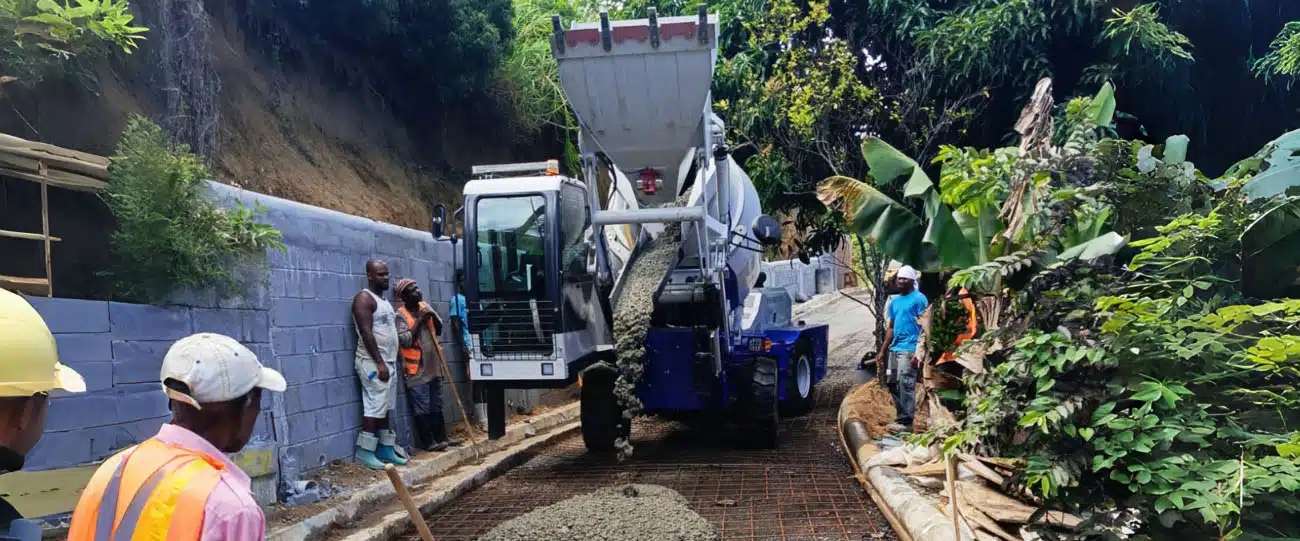
These are the little engines that could. You see them on every small to medium site in Kumasi, Tema, and Takoradi. The 350-liter to 500-liter portable drum mixers are the entry point for most contractors. They are simple. They are tough. And they do not ask for much. Currently, a brand new 350-liter Chinese-made unit (think brands like Jetstar or similar) will set you back between GHS 7,500 and GHS 12,000. If you step up to the 500-liter capacity, which is perfect for foundation pours, you are looking at GHS 11,000 to GHS 18,000. The price of self loading concrete mixer jump depends on the engine. Petrol engines are cheaper (towards the lower end). Diesel engines, which are frankly better for Ghanaian fuel quality, command a premium. Used units? You can snag a 350-liter for GHS 4,000 to GHS 7,000, but please, take a mechanic with you. A rusty drum or a burnt-out motor is a headache you do not need.
Where to Buy and What to Watch
You will find these machines everywhere. Walk through the machinery section at Suame Magazine in Kumasi, or the shops along the Spintex Road in Accra. Online, Tonaton and Jiji are flooded with them. But here is the pro tip: always ask about the drum thickness. Cheap mixers use thin 3mm steel. They dent. They rust through. Look for 4mm or 5mm. Also, check the gearbox. Is it cast iron or cheap aluminum? The cast iron one will survive your apprentice accidentally dropping a rock into it. The aluminum one will crack. Brands like AIMIX (though famous for larger gear) also offer entry-level portable units that sit at the higher end of that price spectrum, but they usually come with better motor protection. Do not just look at the sticker price. Look at the cost of the first repair.
Self-Loading Mixers: The Game Changer
1.2m³ to 2.5m³ Capacity Price Breakdown
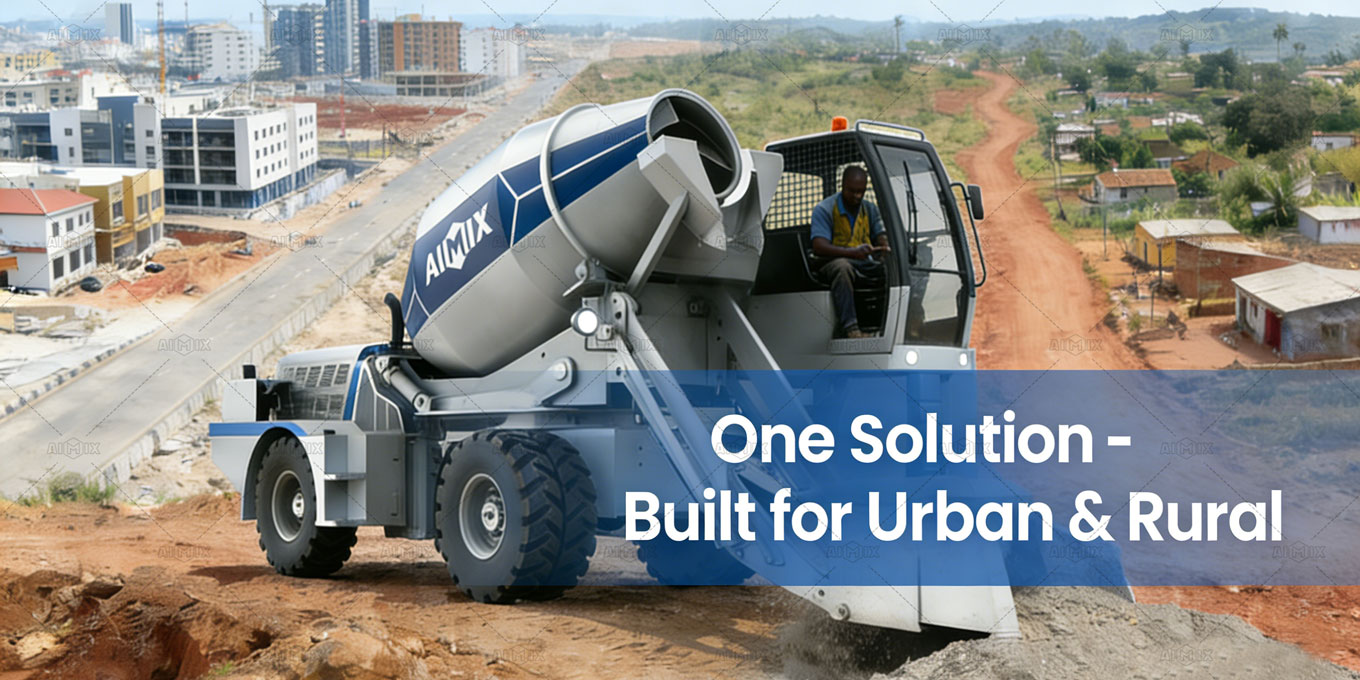
Okay, let’s talk about the big boys. Self-loading mixers are the trend that is absolutely dominating the mid-tier market in Ghana. Why? Because they replace a whole team. One machine loads, mixes, and pours. For a developer building 10 townhouses, this is gold. For the 1.2 cubic meter self loading mini concrete mixer (ideal for tight sites), prices currently range from GHS 180,000 to GHS 280,000. The 1.8 cubic meter model is the sweet spot for most commercial contractors, costing between GHS 260,000 and GHS 380,000. If you need serious volume, the 2.5 cubic meter beast will cost you GHS 350,000 to GHS 500,000. That is a lot of cedis. But compare it to buying a separate wheel loader, a mixer truck, and paying 5 laborers. The math works out fast.
Brand Battle: AIMIX vs. Zoomlion vs. Used Imports
Here is where the fun starts. AIMIX is a major player in this space in Ghana. Their self-loading mixers are known for having decent Chinese hydraulics (usually Eaton or similar) and Weichai engines. You will pay a slight premium for AIMIX—often 10-15% higher than no-name brands—but their parts availability in Tema is generally better. Zoomlion is the other giant. Their units are robust but sometimes feel a bit “old school” on the controls. Prices are comparable to AIMIX. Then you have the grey market: used European or Japanese units (Schwing, Putzmeister). A used 1.5m³ self-loader might only cost GHS 120,000. Tempting, right? Hold up. Spare parts for a 10-year-old European machine in Ghana? Good luck. You will be waiting 3 weeks for a hydraulic seal. Unless you have a dedicated mechanic, buy new or slightly used from a brand with a local dealer. AIMIX often has demo units for sale that hit the sweet spot of “discounted but still under warranty.”
Stationary Batching Plants & Truck Mixers
Pricing for High-Volume Players
If you are building a housing estate or a road project, a little drum mixer is not going to cut it. You need volume. Stationary batching plants (20m³ to 60m³ per hour) start around GHS 450,000 for a very basic Chinese setup and go up to GHS 1.5 million for a fully automated plant with twin-shaft mixers. Truck mixers (transit mixers) are a separate beast. A used 6m³ truck mixer might cost GHS 350,000 to GHS 550,000, but be very careful with the drum condition and the truck chassis rust. New 8m³ truck mixers from brands like Sinotruk Howo (with the mixer attachment) are pushing GHS 800,000 to GHS 1.2 million.
Is It Worth the Investment?
This is heavy metal. If you are looking at these price tags, you are likely a serious contractor or a large-scale developer. The trend right now is actually away from massive stationary plants for housing projects. Developers are moving towards “mobile batching plants” (which are like self-loaders on steroids). These cost around GHS 500,000 to GHS 900,000. They are much faster to move between project phases. AIMIX has a mobile concrete plant that fits into 3 containers. It is a hot trend because land acquisition in Accra is unpredictable. You might be building in Ashongman this year and Prampram next year. You do not want to leave a 50-ton stationary plant behind. So, the advice is: go mobile unless you have a guaranteed 5-year quarry or road contract. Flexibility is the new efficiency.
Price Comparison Table and Buying Strategy
Summary of Average Prices (GHS)
Let’s put it in a clear frame. Portable 350L: GHS 7k – 12k. Portable 500L: GHS 11k – 18k. Self-Loading 1.2m³: GHS 180k – 280k. Self-Loading 1.8m³: GHS 260k – 380k. Self-Loading 2.5m³: GHS 350k – 500k. Mobile Batching Plant (20-30m³/hr): GHS 500k – 900k. Stationary Plant (60m³/hr): GHS 1M – 1.5M. Remember, these prices exclude VAT (12.5%) and often exclude delivery from Tema port to your site (add GHS 5k – 15k).
Pro Tips for Closing the Deal
How do you get the best price? First, never accept the first quote. Ever. Second, ask for the “landed cost” breakdown. Some dealers add huge margins on “clearing fees.” Get a licensed clearing agent to verify. Third, look for “off-season” buying. Prices dip slightly between December and February when government projects pause. Fourth, consider a container package. If you buy 3 self-loaders, you can often negotiate free spare parts (sets of blades, filters) worth GHS 15k. Fifth, and this is huge, check the EPA (Environmental Protection Agency) import requirements. Some engines need a certificate. If the dealer skips this, the machine gets stuck at the port. That costs you daily demurrage. Do your homework. Ghana is building fast. Make sure your mixer is helping you build, not holding you back.