Selecting the right drum asphalt mixing plant for Sri Lanka’s iRoad Phase II projects requires balancing upfront investment against operational durability in harsh coastal conditions. Contractors must prioritize parallel-flow thermal systems capable of processing high-moisture aggregates while securing contractual protections for corrosion-prone components. The optimal approach involves evaluating structural integration quality, specifying material standards for critical subsystems, and negotiating performance guarantees that transfer long-term risk to experienced asphalt mixing plant manufacturers.
Understanding Total Cost Ownership Beyond Initial Price
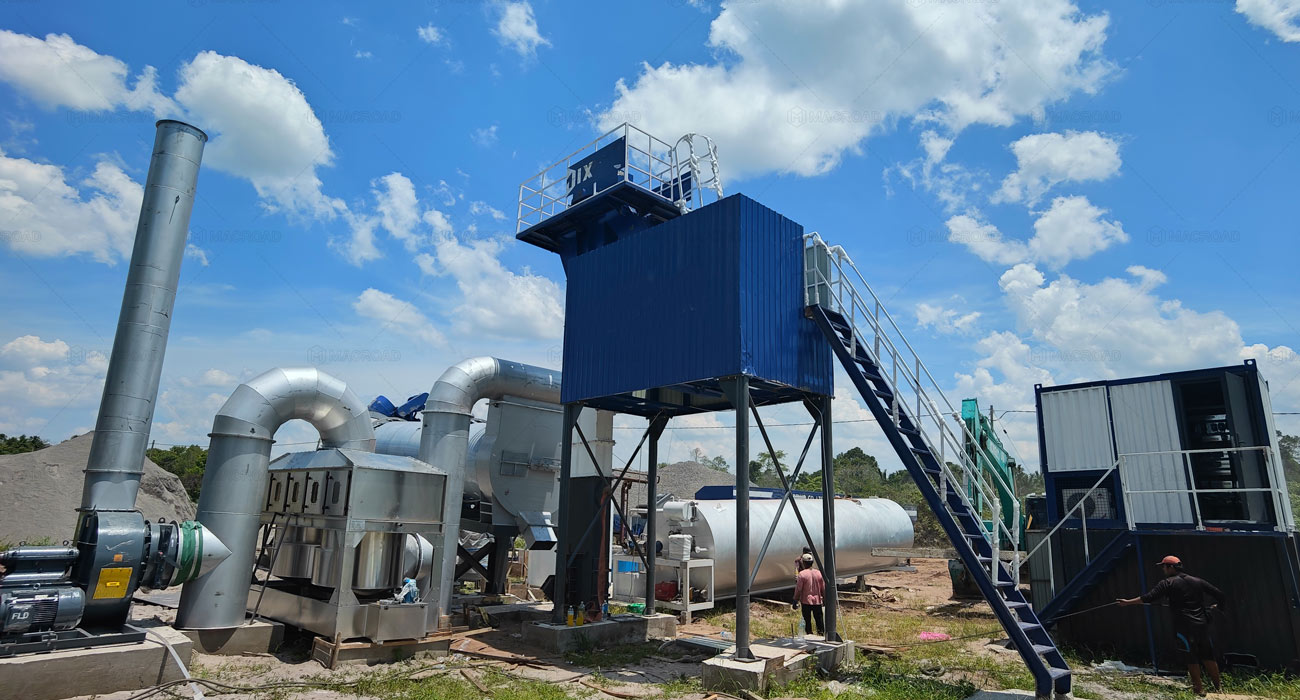
Evaluating asphalt plant cost demands moving beyond capital expenditure to lifecycle economics. In Sri Lanka’s tropical environment, equipment subjected to 80% relative humidity and salt-laden air degrades exponentially faster than in temperate climates. A contractor focusing solely on procurement savings often faces drum shell corrosion, baghouse filter saturation, and control system failures within eighteen months. These failures halt production during critical paving windows, creating penalties that dwarf initial savings.
Moisture management fundamentally determines operational viability. Rural Sri Lankan quarries frequently supply aggregates with moisture content exceeding 8%, requiring extended drying cycles that consume excessive fuel. Parallel-flow drum designs address this by extending the drying zone while maintaining thermal efficiency, reducing fuel consumption per ton by 12-15% compared to counter-flow alternatives. This efficiency gain compounds significantly across high-volume projects, offsetting higher initial capital requirements within fourteen months of operation.
Transportation logistics further complicate cost calculations. Remote project sites in Sri Lanka’s interior provinces often sit 150 kilometers from aggregate sources, creating extended haul times that cool mix below workable temperatures. Drum asphalt mixing plant with superior thermal retention characteristics enable longer transport radii without quality degradation, reducing the number of mobile plants required across dispersed project phases. Contractors should model these variables using local fuel prices and haul distances rather than generic manufacturer specifications.
Evaluating Structural Integration for High-Moisture Processing
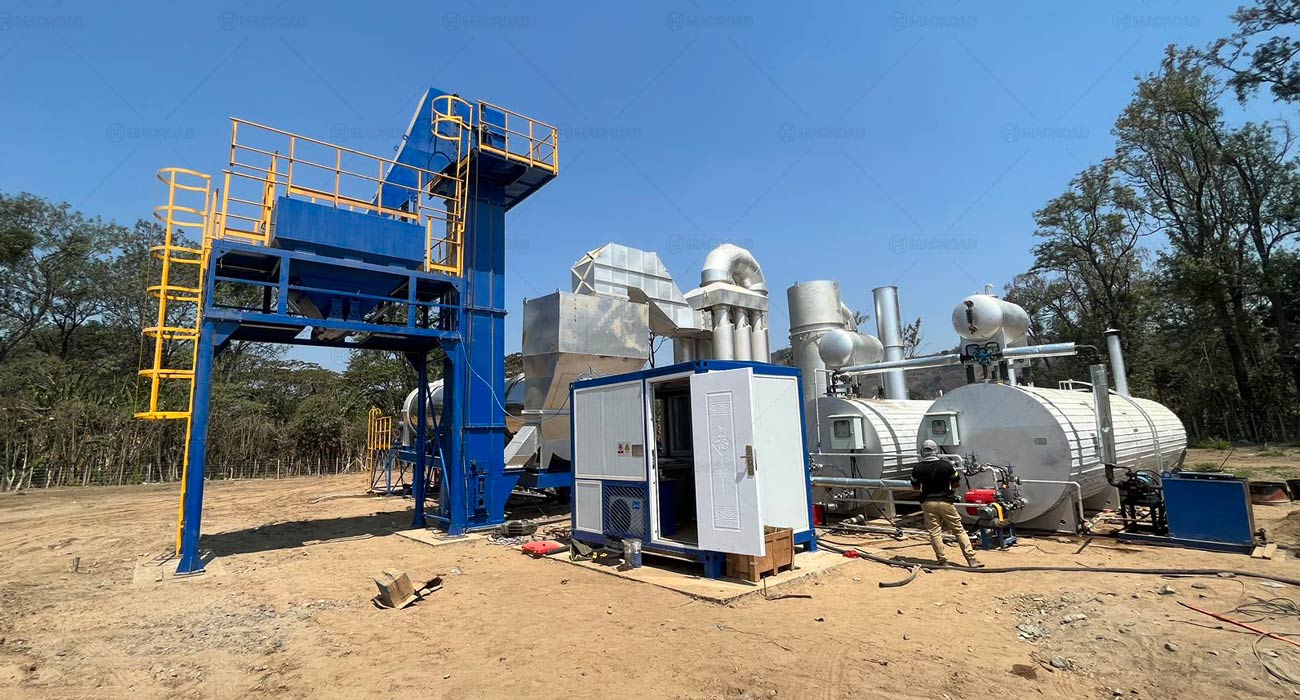
The parallel-flow configuration represents the critical engineering choice for tropical applications. In this design, aggregates enter the drum concurrently with combustion gases, traveling through sequentially arranged drying, heating, and mixing zones. This architecture provides extended residence time for moisture evaporation while preventing thermal shock to bitumen introduced downstream. Leading asphalt mixing plant manufacturers achieve optimal integration through precisely calculated drum angles, lifter vane geometries, and burner positioning.
Drum shell construction quality directly impacts longevity in saline environments. Standard carbon steel drums develop pitting corrosion within months when exposed to coastal humidity combined with aggregate chloride content. Premium manufacturers utilize 304-grade stainless steel for the drying zone and apply ceramic fiber insulation with aluminum cladding to prevent external condensation. These specifications should appear explicitly in purchase contracts, with material certificates provided for each drum section.
Mixing zone design determines final product uniformity. High-moisture aggregates tend to clump during drying, creating pockets of uncoated stone that compromise pavement durability. Advanced drum asphalt mixing plant designs incorporate turbulent mixing flights and variable-speed drum drives that adjust rotation based on material throughput. Contractors should demand demonstration runs using locally sourced aggregates before contract execution, verifying that discharge temperatures remain within 5°C variance across continuous operation.
Securing Contractual Protections for Critical Subsystems
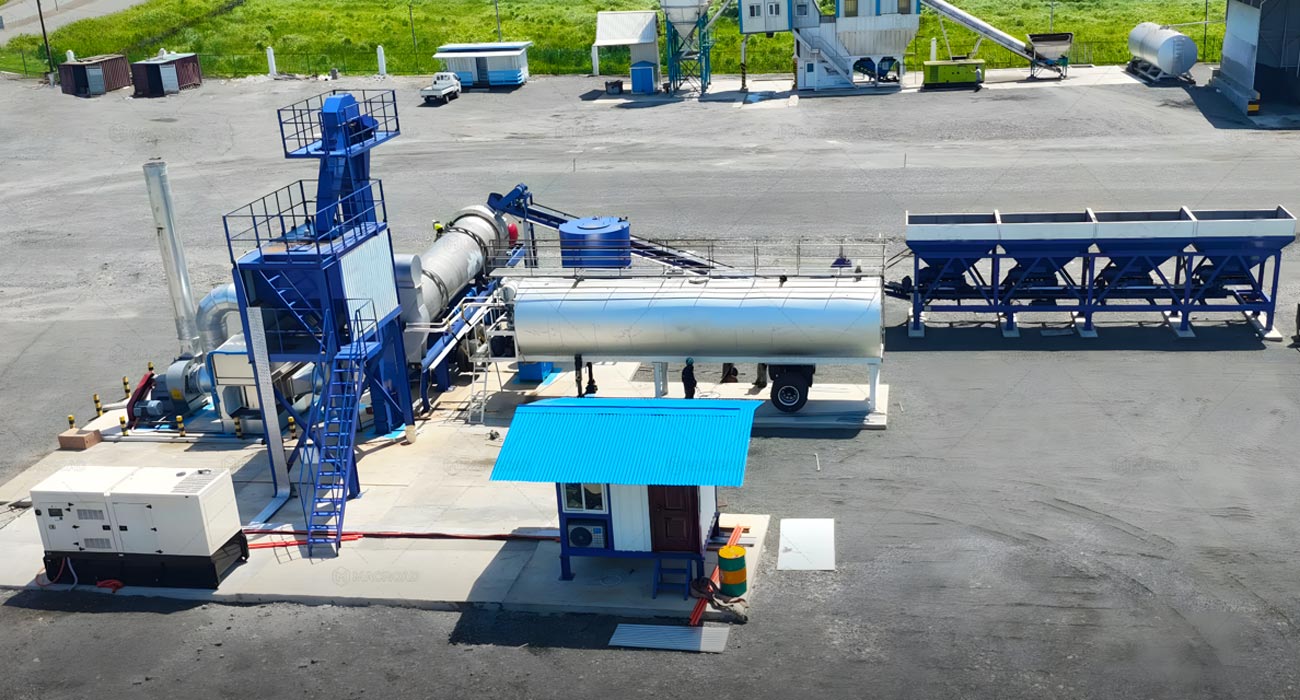
Baghouse specifications require particular attention in coastal installations. Standard polyester filters absorb atmospheric moisture, creating acidic conditions that degrade filter media and corrode cage supports. Contracts must mandate PTFE membrane filters with hydrophobic coatings, stainless steel cage construction, and pulse-jet cleaning systems rated for tropical humidity. Additionally, thermal insulation of the baghouse housing prevents dew point issues during nighttime shutdowns.
Control system resilience determines operational continuity. Programmable logic controllers and variable frequency drives mounted in standard enclosures fail rapidly when exposed to salt air. Technical specifications should require NEMA 4X stainless steel enclosures, conformal coating of all circuit boards, and desiccant dehumidification systems maintaining internal humidity below 40%. Manufacturers should provide twenty-four-month warranties covering corrosion-related failures of these components, with replacement parts availability guaranteed for ten years.
Fuel system integration affects both efficiency and emissions compliance in drum asphalt mixing plant. Sri Lankan projects increasingly require low-NOx operation to meet environmental standards. Contracts should specify dual-fuel burners capable of operating on diesel and heavy fuel oil, with automatic combustion optimization based on aggregate moisture sensors. Burner warranties must cover performance degradation attributable to fuel quality variations common in regional supply chains.
Conclusion
Successful asphalt plant in Sri Lanka demands technical sophistication beyond standard equipment evaluation. Contractors must analyze lifecycle costs incorporating local environmental stressors, verify parallel-flow thermal performance using indigenous materials, and negotiate comprehensive subsystem warranties. The most reliable asphalt mixing plant manufacturers distinguish themselves through willingness to customize corrosion protection specifications and accept performance-based contractual terms. By transferring operational risk through carefully constructed purchase agreements, contractors protect project margins while ensuring pavement quality across challenging tropical construction environments.