Resort construction in Sri Lanka often involves concrete-intensive structures such as multi-story accommodation buildings, villas, swimming pools, retaining walls, foundations, podiums, and large outdoor facilities. These projects can require substantial quantities of concrete within tightly controlled construction windows. The challenge is not simply producing enough concrete; it is maintaining a continuous and predictable flow from batching to the final placement point. Tropical weather, narrow access routes, coastal locations, and projects built across sloping terrain can further complicate concrete logistics. For this reason, contractors need to coordinate concrete production, transportation, pumping capacity, workforce availability, and pouring sequences as one integrated operation. Equipment such as a concrete pump in Sri Lanka can become important when conventional delivery arrangements cannot maintain the required concrete flow.
Why Large Resort Concrete Pours Require Careful Coordination
Concrete Demand Can Rise Sharply During Structural Work
Resort projects typically progress through several construction phases. During foundation and structural stages, concrete demand can increase dramatically compared with finishing or landscaping work.
A single pour may involve foundations, raft slabs, columns, beams, retaining structures, or pool structures. Once the pour begins, interruption can create cold joints, additional labor requirements, and difficulties with surface finishing.
The production system must therefore deliver concrete at a pace that matches placement capacity.
Batching Capacity Must Match Pumping Capacity
A high-output batching plant does not automatically guarantee efficient concrete placement. If the concrete pump cannot receive and discharge concrete at a comparable rate, trucks may queue at the site while crews wait for material.
The reverse can also occur. A high-capacity pump may be forced to operate intermittently because the concrete supply cannot keep pace.
The practical target is equilibrium:
Concrete production → transportation → pumping → placement
Each stage should support the next without creating a significant bottleneck.
Resort Sites Often Have Complicated Access Conditions
Many Sri Lankan resorts are developed in coastal areas, hillsides, or locations where preserving the surrounding landscape is important. Site access may involve narrow roads, steep sections, temporary construction entrances, or restricted vehicle movement.
This makes conventional concrete truck access more difficult in some projects.
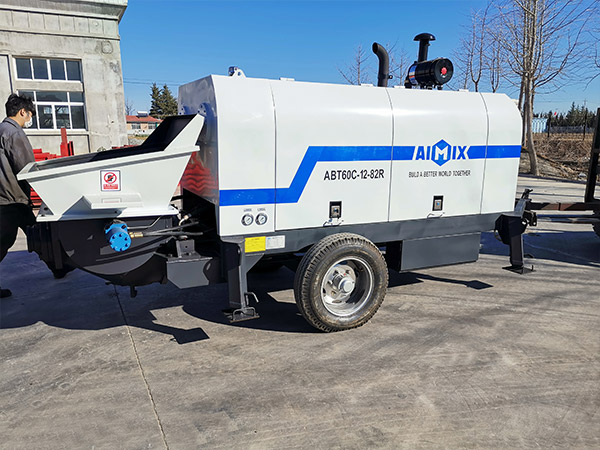
A pumping system can reduce the need to position mixer trucks directly beside every placement point. Concrete can be discharged from a suitable location and transferred through a pipeline or boom system toward the actual work area.
How Concrete Pumping Helps Maintain Continuous Placement
Concrete Pump Trucks Provide Reach for Large Resort Structures
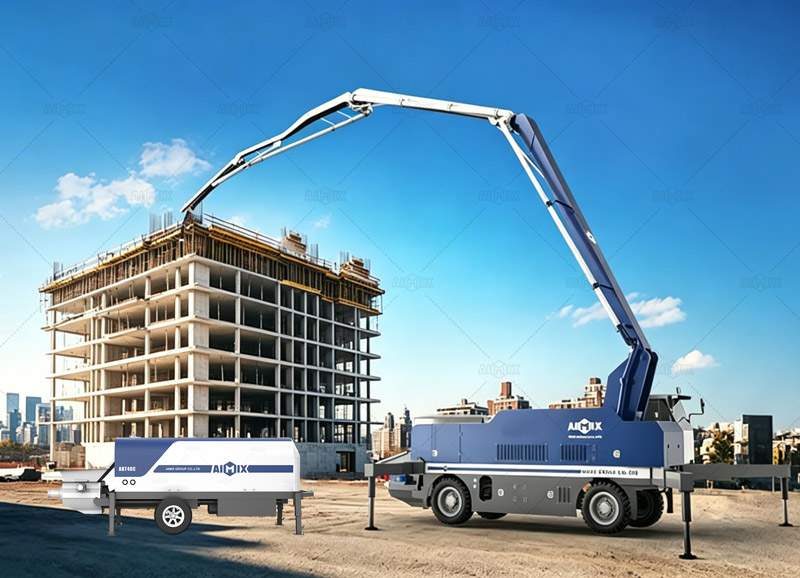
A concrete pump truck in Sri Lanka combines a concrete pump with a truck-mounted boom, allowing concrete to be delivered to elevated or difficult-to-access locations.
For multi-story resort buildings, large slabs, retaining walls, and expansive structural areas, boom reach can reduce the need for extensive manual handling.
The key advantage is controlled concrete movement. Instead of repeatedly repositioning workers and equipment around the pour, the pump can deliver concrete to designated points while the placement crew focuses on vibration, leveling, and finishing.
Mobile Concrete Pumps Offer Flexibility on Changing Sites
A mobile concrete pump in Sri Lanka can be useful when the project layout changes as construction progresses. Resort developments may contain several structures distributed across one property, including villas, service buildings, pools, pathways, and common facilities.
A mobile pumping unit can be positioned according to the current work front.
Useful for Areas With Limited Truck Access
When mixer trucks cannot reach the final placement area, a stationary or mobile concrete pump can bridge the distance between the truck discharge point and the construction zone.
This is especially useful where terrain, landscaping, temporary structures, or narrow internal roads restrict direct truck access.
Diesel-Powered Pumps Can Support Remote Construction Areas
Power availability should also be considered when planning concrete placement. Construction sites may operate before permanent electrical infrastructure is fully established.
A diesel concrete pump in Sri Lanka can provide an independent pumping power source, making it suitable for projects where grid power is unavailable, temporary, or insufficient for continuous pumping operations.
This does not mean diesel equipment is universally preferable. Where reliable electrical power is available, electric pumping can be advantageous. The choice should reflect the site’s power infrastructure, operating duration, mobility requirements, and project location.
How Contractors Can Organize Large Concrete Pours More Efficiently
Prepare the Concrete Supply Chain Before the Pour
Large pours should be treated as coordinated production events rather than ordinary concrete deliveries.
Before work begins, contractors should establish the required concrete volume, target pouring rate, pump capacity, truck cycle time, aggregate and cement availability, access routes, and contingency arrangements.
The concrete mix should also be confirmed in advance, including required strength, slump, aggregate size, and setting characteristics.
Maintain a Buffer Against Delivery Interruptions
A large concrete pour has little tolerance for prolonged interruptions. Equipment breakdowns, traffic delays, weather, or material shortages can quickly affect placement continuity.
A practical contingency plan may include backup transport capacity, spare pumping components, additional raw-material inventory, and clear communication between the batching plant, truck drivers, pump operator, and site supervisor.
Coordinate Pump Position With the Entire Site Layout
Pump positioning affects both safety and efficiency. The equipment should have sufficient operating clearance, stable ground, appropriate access, and a practical route for concrete delivery vehicles.
For concrete boom pumps, the working radius and overhead clearance must be checked before the pour. For trailer or mobile line pumps, pipeline routing should minimize unnecessary bends while avoiding interference with workers and other equipment.
Good positioning can reduce unnecessary repositioning and maintain a more consistent concrete flow.
Use Pumping Capacity According to the Actual Pour
Equipment selection should be based on the characteristics of the project rather than simply choosing the largest available pump.
A small villa development and a multi-building resort complex have very different concrete logistics. Contractors should consider required output, horizontal and vertical conveying distance, concrete mix characteristics, placement height, site accessibility, and expected pouring duration.
For large structural pours, the pumping system should have sufficient reserve capacity to accommodate normal fluctuations in concrete delivery.
Concrete Flow Is a System, Not a Single Machine
The most efficient resort concrete operation is rarely determined by one piece of equipment. It depends on how the batching plant, mixer trucks, pump, pipelines, workers, and placement sequence interact.
If one element is undersized, it can constrain the entire operation.
For example, a powerful pump cannot compensate for insufficient concrete supply. Likewise, abundant ready-mix trucks cannot solve a placement bottleneck caused by inadequate pumping capacity.
Match Equipment to Sri Lankan Project Conditions
Resort projects in Sri Lanka can combine large concrete volumes with difficult terrain, coastal exposure, changing access conditions, and phased construction. These characteristics make flexibility particularly valuable.
A concrete pump truck can provide boom-based placement for larger structural areas. A mobile concrete pump can adapt to changing work zones and restricted access. A diesel concrete pump can provide pumping capability where temporary electrical infrastructure is inadequate.
The appropriate combination depends on the project’s scale and layout.
Ultimately, managing a large resort concrete pour requires more than arranging enough concrete trucks. The entire material flow must be synchronized from batching to final placement. Production must keep pace with pumping, pumping must match the placement sequence, and equipment must suit the physical constraints of the site.
When these factors are planned together, contractors can reduce interruptions, improve labor utilization, and maintain more consistent concrete placement. For Sri Lankan resort developments, where architectural complexity and challenging site conditions often coexist, a well-coordinated concrete pumping strategy can turn a demanding large-volume pour into a controlled and repeatable construction operation.