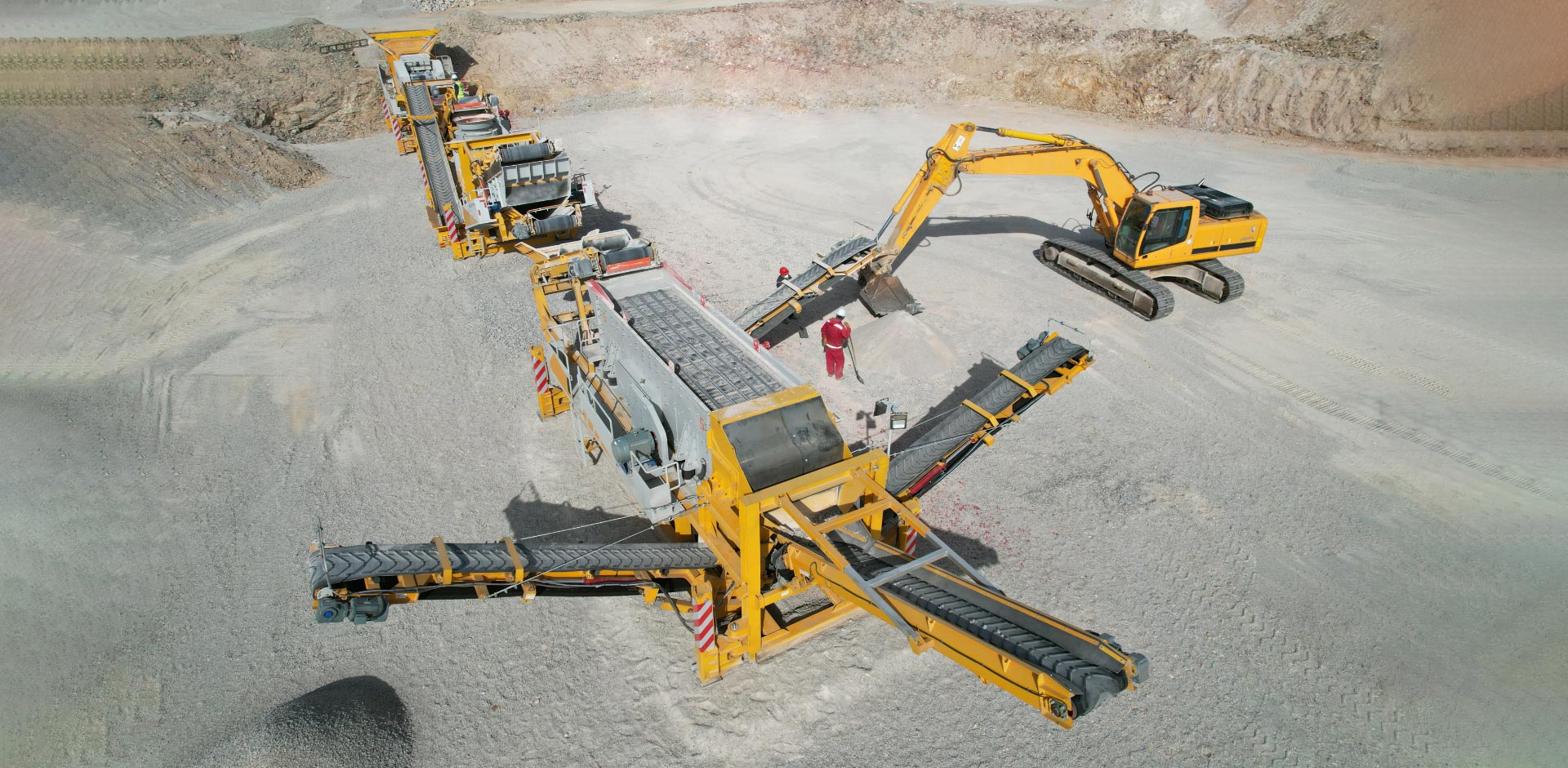
Construction and demolition projects generate huge amounts of concrete waste every year. Old buildings, bridges, roads, foundations, and industrial structures may all leave behind large quantities of demolished concrete that need to be transported, stored, or disposed of. However, this material does not always have to become waste. With the right processing approach, demolished concrete can be crushed, screened, and reused as a secondary aggregate resource.
A concrete crushing machine provides the key size-reduction stage in this process. By breaking large pieces of demolished concrete into smaller and more manageable sizes, the machine allows the material to enter subsequent screening, separation, and stockpiling processes. This creates an opportunity to reduce disposal volumes while recovering materials that can be used in new construction projects.
Why Demolished Concrete Can Become a Secondary Aggregate Resource
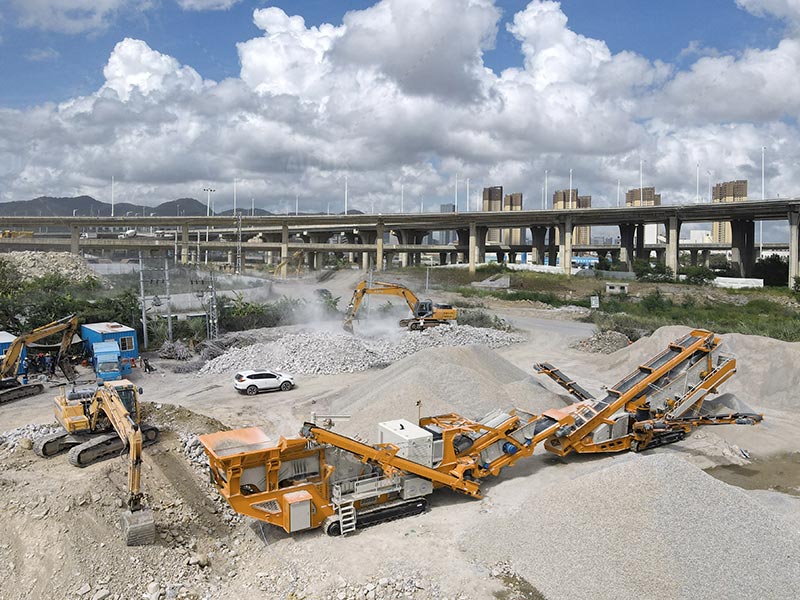
Demolished concrete mainly consists of cement paste and natural aggregates that were originally used to produce the concrete. Once the structural material is removed from a building or infrastructure project, the mineral content still has potential value if it can be properly processed.
After crushing and screening, recycled concrete aggregate can be used for applications such as road base, subbase, backfilling, drainage layers, temporary roads, and landscaping. The appropriate application depends on the quality of the incoming concrete, the level of contamination, and local technical requirements.
This approach changes the traditional relationship between demolition and aggregate supply. Instead of sending all concrete waste to a disposal facility while purchasing new aggregates elsewhere, contractors can recover part of the material and return it to the construction supply chain.
How a Concrete Crushing Machine Fits into the Recycling Process
A concrete crushing machine is usually only one part of a complete recycling workflow. Before crushing, excavators and workers may need to remove obvious contaminants such as wood, plastic, insulation, and other construction materials from the demolition debris.
Large concrete pieces are then fed into the primary crusher. A jaw crusher is often suitable for this stage because it can handle large and relatively tough feed material. The primary crushing process reduces oversized concrete into smaller pieces that are easier to screen or process further.
When a finer or more uniform product is required, secondary crushing can be introduced. Depending on the target aggregate specifications, an impact crusher or other secondary crushing equipment may be added to further reduce the material.
Screening and Separation Improve Recycled Aggregate Quality
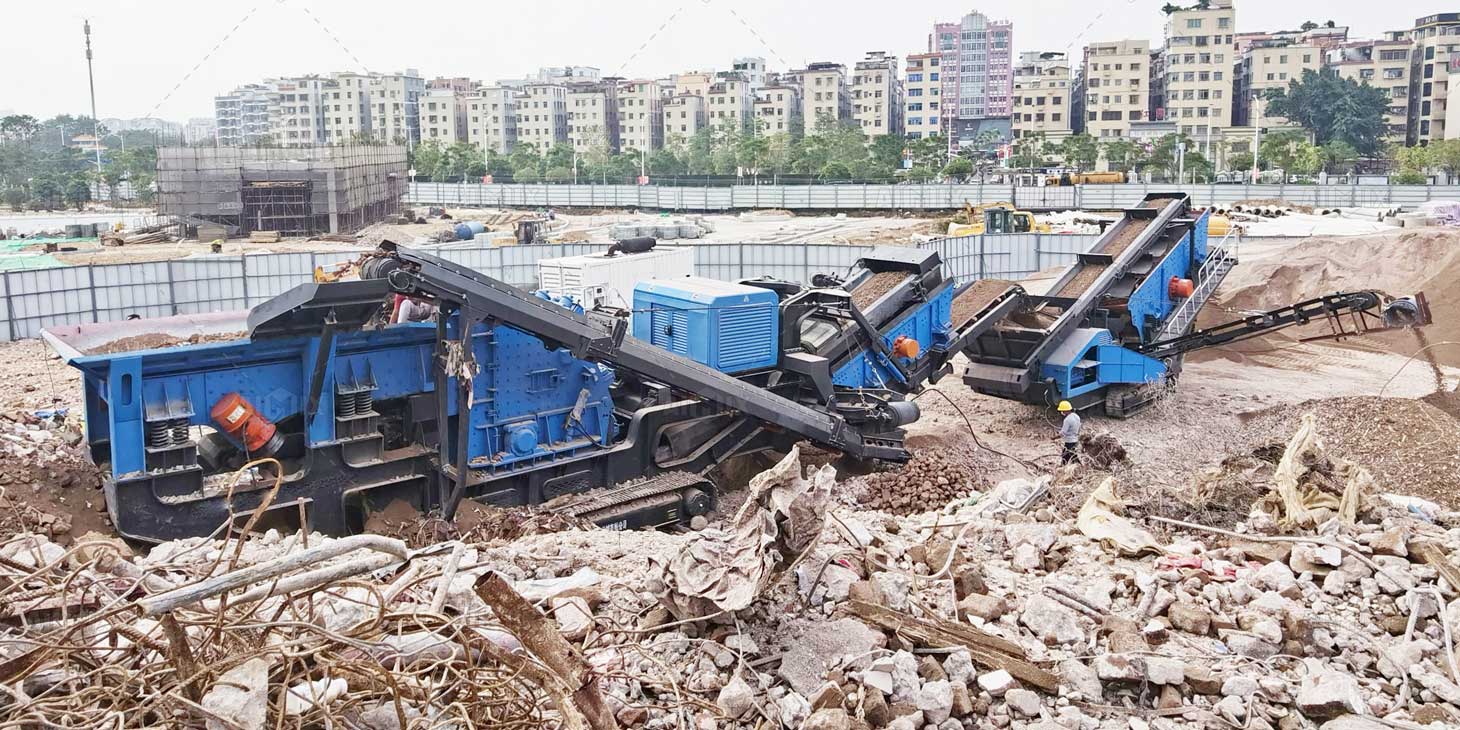
Crushing alone does not determine the quality of recycled aggregate. Screening is equally important because it separates crushed concrete into different particle-size fractions. Oversized material can be returned for additional crushing, while correctly sized material can be transferred to stockpiles.
Reinforced concrete also creates another challenge. Steel reinforcement bars can become mixed with the crushed material during demolition and crushing. Magnetic separation equipment can be incorporated into the production line to recover ferrous metal and reduce the amount of steel remaining in the recycled aggregate.
For larger projects, these processes can be integrated into a construction waste recycling plant. A complete plant can combine feeding, crushing, screening, conveying, and separation equipment to create a more continuous material recovery process.
Why Site Conditions Matter in Concrete Recycling
Where the concrete waste is generated can have a major influence on the most suitable recycling solution. Demolition projects in urban areas may have limited working space, restricted truck access, and strict requirements concerning dust and noise. In these situations, equipment layout and mobility can be just as important as crushing capacity.
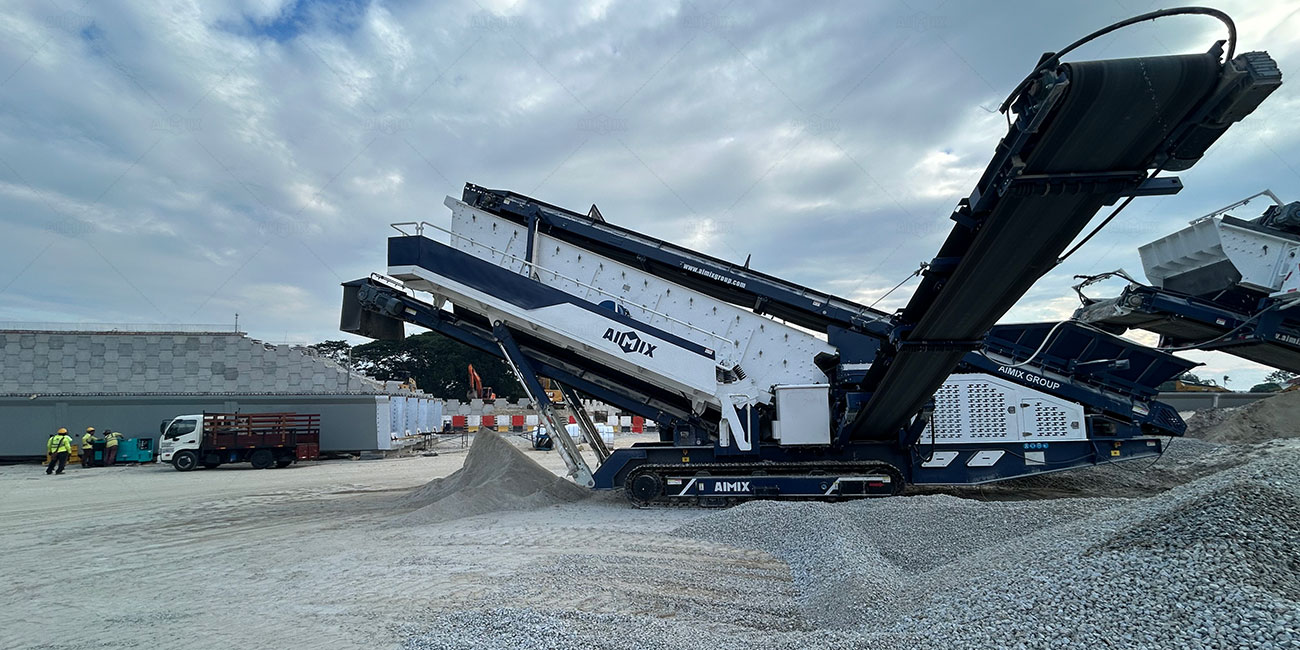
Remote infrastructure projects present a different challenge. Transporting heavy demolition waste over long distances can quickly increase project costs. A mobile concrete crushing machine can allow contractors to process material closer to the demolition site, reducing the volume of waste that needs to be hauled away.
This approach can be particularly useful for highway reconstruction, bridge demolition, urban redevelopment, and other projects where large quantities of concrete are generated temporarily at changing locations.
Concrete Recycling and the Role of an Aggregate Crusher Plant
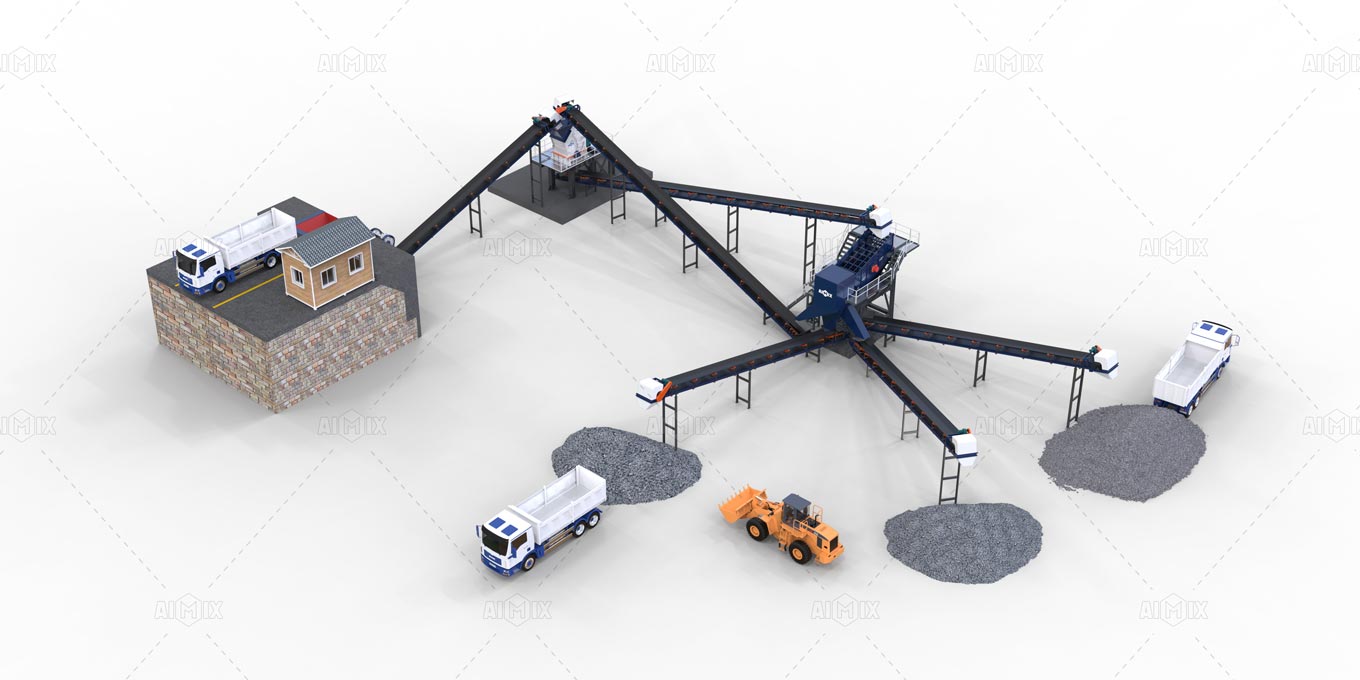
Once demolished concrete is viewed as a source of aggregate rather than simply waste, the recycling process begins to resemble conventional aggregate production. The major difference is that the feed material comes from previously used concrete instead of a natural quarry source.
An aggregate crusher plant can therefore be configured to process recycled concrete according to the required final product. The crushing stages, screening specifications, conveyor arrangement, and separation equipment should all be selected according to the intended application of the recycled aggregate.
For example, a contractor producing road base may require a different size distribution from a company producing drainage aggregate. Designing the plant around the final product can help avoid unnecessary crushing and improve overall material utilization.
How Recycling Can Reduce Transportation Costs
Transportation is often an important part of demolition waste management. In a conventional process, trucks may transport demolished concrete from the construction site to a disposal facility, while other trucks deliver virgin aggregates from a quarry to the same or another project.
On-site or near-site crushing can potentially shorten both material flows. Instead of transporting all demolished concrete away from the project, part of it can be processed locally and reused as aggregate. The actual savings depend on factors such as hauling distance, fuel costs, disposal fees, local aggregate prices, and project scale.
For this reason, contractors should evaluate the entire material flow when considering a crushing solution rather than looking only at the initial equipment investment.
Choosing the Right Concrete Crushing Setup
The appropriate crushing configuration depends on several project-specific factors. Feed size is one of the first considerations because demolition concrete can range from relatively small fragments to extremely large structural blocks.
Material strength, reinforcement content, contamination levels, required product sizes, daily processing volume, and available site space should also be evaluated. A compact mobile setup may be suitable for a short demolition project, while a larger stationary system may be more appropriate for a long-term recycling operation.
Equipment capacity should also be considered as a complete system. The excavator, feeder, crusher, screen, conveyor, and magnetic separator need to operate at compatible rates. Otherwise, a high-capacity crusher may spend significant time waiting for material or downstream equipment may become a production bottleneck.
Building a More Circular Construction Supply Chain
The development of concrete recycling is changing how the construction industry views demolition materials. Instead of treating demolished concrete purely as a disposal problem, contractors can evaluate whether it has sufficient quality and volume to become a secondary source of aggregate.
With a properly selected concrete crushing machine, suitable screening and separation equipment, and an efficient material-handling system, demolished concrete can be transformed into useful recycled aggregate. For larger operations, integrating these processes into a construction waste recycling plant or an aggregate crusher plant can provide a more systematic solution for recovering construction materials.
As construction projects place greater emphasis on resource efficiency and material reuse, concrete crushing is likely to become an increasingly important part of modern demolition and recycling strategies. The goal is not simply to crush concrete, but to turn a former waste stream into a practical resource that can support the next stage of construction.