Many building contractors in Nigeria face significant logistical challenges during structural concrete pours. For instance, grid power failures and heavy traffic delays frequently disrupt delivery schedules in major cities. Consequently, on-site concrete production has become the most reliable strategy to secure material consistency and maintain project timelines. This comprehensive procurement guide outlines how to select the best mixing machinery for your local fleet.
Navigating Nigeria’s Infrastructure Demands and Power Grid Limits
Construction environments across Nigeria vary greatly depending on the specific region and local site logistics. Therefore, fleet managers must analyze their primary workspace limitations before investing in new machinery. Selecting the right equipment configuration prevents expensive downtime and ensures high-quality structural pours. Let let us examine the main environmental constraints affecting local sites.
Overcoming Frequent Power Cuts in Outskirt Developments
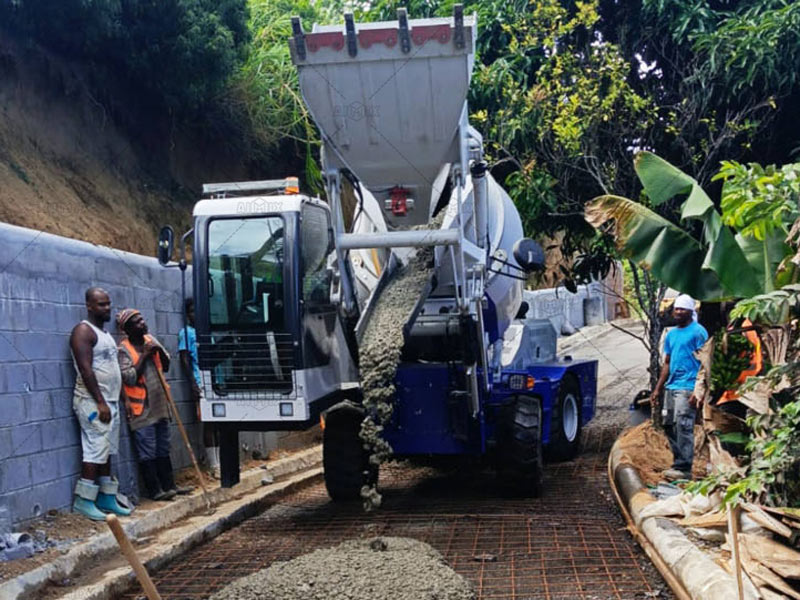
Many newly developing residential estates operate completely off the national electricity grid. For instance, projects in the outskirts of Lagos or Abuja often lack stable high-voltage power lines. Consequently, relying on electric stationary mixers requires importing massive diesel generators to run the three-phase electric motors.
This auxiliary setup increases your initial mobilization costs and raises daily diesel fuel expenses significantly. Therefore, choosing independent, diesel-powered machinery remains the most practical strategy for off-grid developers. Motorized mixers run reliably using local fuel supplies and require no external power sources to operate.
Avoiding Transit Hardening in Congested City Centres
Delivering wet concrete from central batching plants introduces extreme transport risks on congested Nigerian roadways. For example, transit mixer trucks frequently face massive traffic bottlenecks in metropolitan Lagos.
During hot afternoon shifts, the chemical setting process of the cement powder accelerates very rapidly. As a result, long transit delays degrade the final structural strength of your building foundations. Localized, on-site concrete production completely eliminates these temporal bottlenecks and protects your building density.
Evaluating the Concrete Mixer Machine Price in Nigeria
Acquiring new mixing equipment represents a major capital investment for local construction companies. Therefore, procurement officers must look beyond the initial purchase price to evaluate the total cost of ownership. Let us analyze the primary machine categories and pricing variables within the local market.
Sourcing a Cost-Effective Small Concrete Mixer Machine
For small-scale residential renovations or block-making yards, a compact mixing platform offers excellent functional value. Investing in a reliable small concrete mixer machine allows small contractor teams to mix concrete on demand.
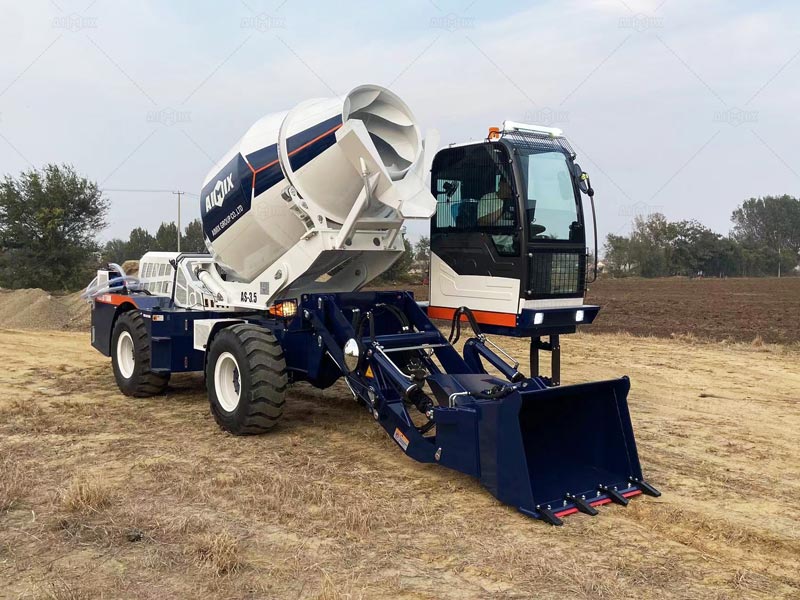
These basic machines utilize simple mechanical tilting drums that are exceptionally easy for local operators to run. Additionally, they consume very little diesel fuel per hour compared to larger industrial mixing plants. This low operating cost directly improves your profit margins on small neighborhood building contracts.
Sourcing a Durable Portable Concrete Mixer for Sale
Many active contractor teams must move between different suburban project sites multiple times per week. For these dynamic operations, finding a mobile portable concrete mixer for sale represents a highly profitable fleet addition.
These portable units feature strong, towable steel chassis that attach easily to standard utility vehicles. Consequently, you can transport the mixer safely over rough, unpaved roads to remote site locations. This portability reduces your initial site setup times and speeds up your project progress.
Analyzing the Full Concrete Mixer Machine Price in Nigeria
When negotiating with local equipment suppliers, you will find that baseline pricing varies significantly. Specifically, the ultimate concrete mixer machine price in nigeria depends heavily on engine quality, drum volume, and steel thickness.
Furthermore, importing machinery through the Apapa port introduces customs clearance fees and transport duties. While choosing the cheapest available machine lowers your upfront cost, it often leads to frequent mechanical repairs. Therefore, prioritizing high-durability wear components over the lowest initial price ensures a much better long-term return on investment.
Advanced Fleet Automation for Large Scale Infrastructure
Large civil engineering projects require continuous, high-volume concrete flows that small manual mixers cannot easily supply. Managing multiple manual mixing teams often leads to inconsistent concrete formulas and high labor overheads on site. Therefore, utilizing advanced automated machinery remains essential to protect your project budget.
The Operational Utility of a Concrete Self Loading Mixer
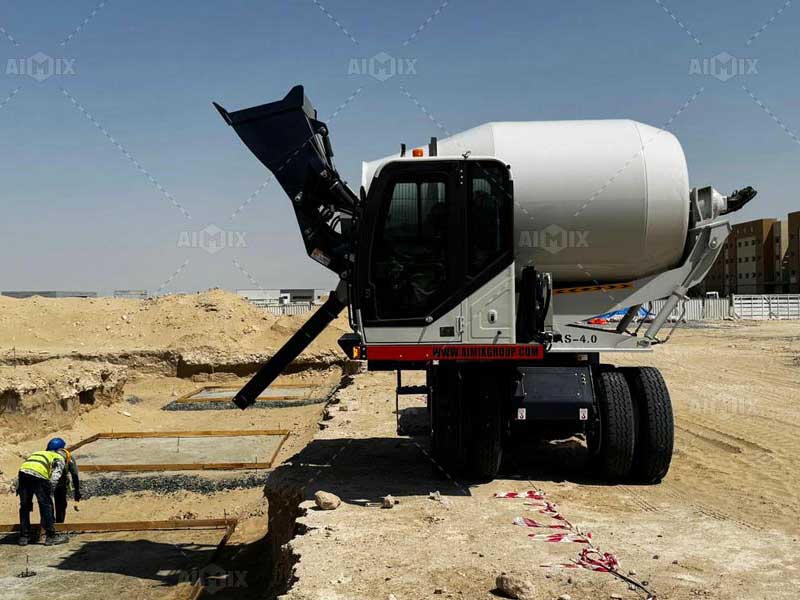
For major infrastructure developments, integrating a modern concrete self loading mixer provides substantial operational advantages. This specialized vehicle functions as a complete, highly mobile batching plant on a single wheeled chassis.
Specifically, the machine features an attached front bucket to scoop raw sand and gravel independently. The onboard computerized scales measure each ingredient with high gravimetric precision before feeding the mixing drum. Consequently, a single operator can manage the entire loading and compounding cycle alone from the cabin. This high level of automation reduces your dependency on auxiliary loader tractors.
Daily Preventive Maintenance in Hot and Humid Climates
Operating heavy machinery under tropical Nigerian climates subjects mechanical components to extreme physical stress. Fine sand dust can easily mix with grease to form an abrasive paste that damages seals. Therefore, your site crew must implement a strict daily preventative maintenance checklist.
Managing Daily Washing and Lubrication Routines
First, wash the interior of the mixing drum thoroughly with clean water after every shift. Leftover concrete hardens rapidly in high temperatures and destroys the internal blades. Over time, solid buildup inside the drum reduces the overall volumetric capacity of the vessel.
Second, inspect all hydraulic lines daily for physical signs of wear or fluid leakage. Spotting small leaks early prevents sudden system pressure loss during active concrete pours. Third, apply high-quality grease to the main drum rollers and support bearings every morning. Regular care minimizes unexpected machine downtime and protects your project timeline.
Selecting a Reliable Equipment Supplier in Nigeria
Choosing the right machinery dealer is just as vital as selecting the machine itself. A weak support chain can cause prolonged downtime when critical mechanical components wear out. Therefore, procurement managers must evaluate dealer logistics carefully before signing any purchase contracts.
Verifying Local Spare Parts and Dealer Networks
Always choose machinery suppliers who maintain a robust local spare parts warehouse in Nigeria. Having replacement valves and filters in Lagos or Abuja prevents weeks of costly shipping delays.
Additionally, ask your supplier about operator training programs and comprehensive warranty coverage. Proper operator training reduces transmission wear and lowers daily fuel consumption on site. Ultimately, a strategic supplier partnership ensures steady business growth and higher corporate profits.
Conclusion
In summary, localized concrete production resolves transit bottlenecks and optimizes site resources on Nigerian projects. Sourcing a durable mobile unit ensures consistent concrete strength for housing and road works. Ensure you define your daily volume targets clearly before selecting a final equipment configuration. Ultimately, a strategic asset purchase secures your project timeline.